Matt Damon signed on to The Odyssey and admitted he has seen the memes. He is once again the actor most likely to be left behind on a hostile world, and the internet has decided that is somehow his fault. Nolan’s film waits until 2027, so if the mood is “one person, one bad planet, one bad ending pending”, these seven stranded-astronaut survival games on PC scratch the exact itch.
What to look for in a stranded astronaut survival game
- A specific inhospitable world, not a generic sandbox planet
- Systems that make the environment feel like the antagonist
- Resource loops that respect thinking over reflex
- A believable ship, base or bunker to defend
- Optional combat rather than combat as the point
- Ability to fail spectacularly and try again with more knowledge
Quick comparison
| Game | Best for | Base price | Length | Standout feature |
|---|---|---|---|---|
| Outer Wilds | Cosmic archaeology in a solar system | Around $25 | 25-30 hours | 22-minute time loop that rewards curiosity |
| Subnautica | Ocean-world survival craft | Around $30 | 40-60 hours | Alien seas that never stop being scary |
| No Man’s Sky | Endless procedural galaxy | Around $60 | Unlimited | Full expedition seasons every quarter |
| Prey (2017) | Space station immersive sim | Around $30 | 20-30 hours | GLOO gun and mimic creatures |
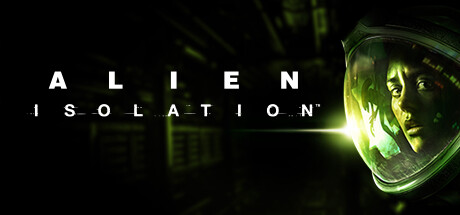
| Alien Isolation | 1970s-future stalker horror | Around $40 | 15-20 hours | The Xenomorph adapts to your tactics |
| Dead Space Remake | Space corridor horror | Around $70 | 12-15 hours | Strategic dismemberment combat |
| Stranded: Alien Dawn | Colony-management strategy | Around $40 | 60+ hours | RimWorld-style ensemble in a sci-fi frame |
The games
1. Outer Wilds, best for cosmic archaeology in a solar system
Outer Wilds loops your astronaut every 22 minutes, and the only progress that carries over is what you have learned. There is no combat, no crafting tree and no upgrade path, but the eventual understanding of the solar system’s fate is the strongest sense of achievement in modern gaming. The Echoes of the Eye DLC adds a second story that reframes the base game.
Where it falls short: pacing lulls exist in the middle. Motion sickness is real for some players in zero-G sections.
Pricing:
- Base: Around $25, sales below $8
- vs a Martian-style survival: Almost the opposite tempo, much more thoughtful
System notes: Runs on almost any modern PC. Steam Deck Verified.
Bottom line: Outer Wilds is the pick when the tension you want is existential, not physical.
2. Subnautica, best for ocean-world survival craft
Subnautica stranded you on an ocean planet before the genre was crowded. Every biome hides something bigger and louder than the last, base building has real depth, and the story reveals itself piece by piece rather than in cutscenes. Below Zero adds a linked expansion in a colder biome with more direct storytelling.
Where it falls short: performance on lower-end systems can be uneven, especially deep-map streaming.
Pricing:
- Base: Around $30, sales below $10
- vs a Martian-style survival: Underwater instead of red rock, but the “resource loop plus horror” shape is identical
System notes: Modest hardware. Steam Deck Playable.
Bottom line: Subnautica is the pick when the stranded feeling should include something big in the dark.
3. No Man’s Sky, best for endless procedural galaxy
No Man’s Sky kept updating past the point where anyone was still keeping score. Base building on any world, capital ships, multiplayer expeditions with seasonal rewards, VR support and a proper story mode make the current version unrecognisable from launch. Its Survival mode is the entry point for stranded-astronaut roleplay.
Where it falls short: procedural variety can flatten after a hundred systems, and the story mode feels bolted-on.
Pricing:
- Base: Around $60, frequent sales below $20
- vs a Martian-style survival: Infinite instead of one planet, more scope, less claustrophobia
System notes: Mid-range GPU. Steam Deck Verified.
Bottom line: No Man’s Sky is the pick when one planet is not enough.
4. Prey (2017), best for space station immersive sim
Prey (the 2017 Arkane game, not the earlier one) traps you on the Talos I station where the entire ecosystem has quietly turned against you. Mimic creatures can be any object. The GLOO gun creates traversal paths as a side effect. The station rewards recon over combat, and the ending choices matter.
Where it falls short: opening act is slow. Some system-level puzzles depend on strategies the game never teaches you.
Pricing:
- Base: Around $30, sales below $5
- vs a Martian-style survival: Enclosed rather than open, similar isolation
System notes: Mid-range PC. Steam Deck Verified.
Bottom line: Prey is the pick for stranded-in-space horror that plays like a thinking person’s shooter.
5. Alien Isolation, best for 1970s-future stalker horror
Alien Isolation made Ripley’s daughter the survivor on a decaying space station where a single Xenomorph adapts to how you play. Motion tracker, breath control, hidden lockers, and rebuilt Nostromo aesthetics that respect Ridley Scott’s original film. Save points are physical machines you have to reach.
Where it falls short: the middle third repeats sections, and later chapters lean on human enemies more than the alien.
Pricing:
- Base: Around $40, sales below $8
- vs a Martian-style survival: Same “one bad place, one hostile presence”, radically higher tension
System notes: Runs on old hardware. Steam Deck Verified.
Bottom line: Alien Isolation is the pick when the horror needs to be earned, not scripted.
6. Dead Space Remake, best for space corridor horror
Dead Space Remake rebuilt Isaac Clarke’s original nightmare in EA Motive’s Frostbite engine. The USG Ishimura is one continuous space now, with no loading between decks, and strategic dismemberment still separates good runs from body-piles. New voice acting, expanded side quests and a proper ending build on the original.
Where it falls short: the second act pacing lags, and some jump scares are earned mainly by volume.
Pricing:
- Base: Around $70, sales below $30
- vs a Martian-style survival: Same “alone on a broken ship”, faster combat tempo
System notes: Modern GPU required. Steam Deck not supported.
Download: Steam
Bottom line: Dead Space Remake is the pick when the stranded feeling should include a real threat every corridor.
7. Stranded: Alien Dawn, best for colony-management strategy
Stranded: Alien Dawn takes the RimWorld model and moves it to a science-fiction crash site. Between four and six colonists start with different specialisations, build a base, defend it against waves of alien fauna, and try to launch a rescue signal. Season passes have expanded the biomes and the colonists’ backstories.
Where it falls short: performance dips when the colony scales, and the UI needs a cleanup pass.
Pricing:
- Base: Around $40, sales below $15
- vs a Martian-style survival: Ensemble instead of one astronaut, similar “engineer your way out” loop
System notes: Modest requirements. Steam Deck Playable.
Bottom line: Stranded: Alien Dawn is the pick when the fantasy is “commanding a crew that got left behind”, not being alone.
How to pick the right one
If the tension you want is existential and the pace is meditative: Outer Wilds.
If the fantasy is “one hostile planet you slowly master”: Subnautica.
If you want infinite systems and endless expeditions: No Man’s Sky.
If you want an immersive sim with alien-mimic enemies: Prey (2017).
If the stranded feeling should include a stalker: Alien Isolation.
If the horror should be direct and the combat brutal: Dead Space Remake.
If the fantasy is running a crew of survivors instead of one: Stranded: Alien Dawn.