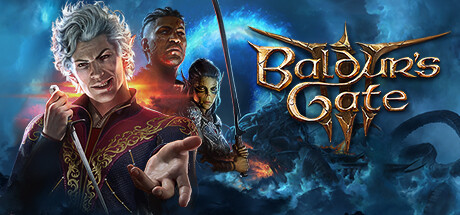
Gerard Way told Eurogamer that between touring and family life he had no time to roll dice, and it lands. Baldur’s Gate 3 is the reason Larian’s D&D adaptation stays in the “meaning to play” pile for so many people. A single act is a full weekend. Act 3 alone is longer than a lot of full games shipped this year. The 100+ hour path to a finished playthrough is the point, but it is also the barrier.
We tested seven Baldur’s Gate 3 alternatives on Windows and macOS that get you into a proper party-based CRPG without the summer-to-summer commitment. Some are shorter. Some are older with more forgiving pacing. All of them run on modest desktop hardware and none of them require friends coordinating calendars.
Quick comparison
| Game | Best for | Cost | Standout | Where to buy |
|---|---|---|---|---|
| Divinity: Original Sin 2 | Larian’s previous masterwork | $44.99 | Elemental combat sandbox | Steam, GOG |
| Pathfinder: Wrath of the Righteous | Deepest ruleset on PC | $49.99 | Mythic Paths | Steam, GOG |
| Solasta: Crown of the Magister | Cleanest 5e ruleset | $39.99 | Verticality and tactical purity | Steam, GOG |
| Pillars of Eternity II: Deadfire | Real-time-with-pause party | $29.99 | Ship combat and Deadfire archipelago | Steam, GOG |
| Warhammer 40K: Rogue Trader | Owlcat’s 40K CRPG | $59.99 | Turn-based void combat | Steam, GOG |
| Dragon Age: The Veilguard | BioWare’s return | $59.99 | Character-focused writing | Steam, EA app |
| Wildermyth | Procedural narrative RPG | $24.99 | Legacy heroes across campaigns | Steam, GOG |
Why people leave Baldur’s Gate 3 for the pile
The recurring feedback on r/BaldursGate3 and Steam discussions:
- Act 3 pacing. Many players stall in Baldur’s Gate itself as the game weighs your CPU and your patience with dozens of side quests
- Time cost. A single honour-mode attempt easily crosses 80 hours before it fails, and each restart from an act is a real commitment
- The 5e system is deep but limited to one core rulebook. Players who want mythic power fantasies or deep character customization hit its ceiling
- Cooperative play requires everyone’s schedule to align for multi-session runs
- Combat encounter density spikes late, which some players find repetitive rather than climactic
Each pick below addresses one of those. The first two are direct depth-and-scope substitutes. The middle picks are lighter or more focused. The last two stretch the genre outward.
The 7 best Baldur’s Gate 3 alternatives
Divinity: Original Sin 2, Larian at its purest
Divinity: Original Sin 2 is the game that convinced Wizards of the Coast to hand Larian the D&D keys. The combat is elemental chess with fire, oil, water, and blood surfaces that react to each other. Party composition matters more than in BG3 because there is no core class balancing done for you. Four-player co-op works better here than in BG3 because saves are per-host and encounters are tighter.
Where it falls short. The isometric UI is dated compared to Baldur’s Gate 3’s cinematic camera. Story pacing in Act 4 has been divisive for years, and Fort Joy is the kind of long opening tutorial that some players never leave.
Pricing:
- Free: No
- Base: $44.99 (frequent 60% sales bring it under $18)
- vs Baldur’s Gate 3: Half the campaign length, similar systems depth, cheaper
Migrating from Baldur’s Gate 3: Larian’s core loop is the same. Elemental synergies replace 5e spells as the tactical language. If you liked the puzzle-solving side of BG3 combat, this is more of it. Expect around 60 hours for a first campaign.
Download: Divinity: Original Sin 2 on Steam, GOG
Bottom line: Pick this if Baldur’s Gate 3 was your gateway to Larian, not your gateway to D&D. It is the pure version of the studio’s design.
Pathfinder: Wrath of the Righteous, deepest ruleset on PC
Pathfinder: Wrath of the Righteous ships with the fullest character-building sandbox available in a computer RPG. Twenty-five classes, ten mythic paths, and a modifier calculus that lets a low-level attack hit +40 by mid-campaign. The Angel and Lich paths in particular reshape the whole world state. Owlcat also patched turn-based mode into what was originally a real-time-with-pause game, so you can play it in either mode.
Where it falls short. The kingdom-building minigame after Act 2 is optional but not really, and it puts many players off. The rules are famously dense; the character sheet has more numbers than any single screen in Baldur’s Gate 3.
Pricing:
- Free: No
- Base: $49.99
- vs Baldur’s Gate 3: Longer, denser, cheaper per hour
Migrating from Baldur’s Gate 3: Pathfinder 1e is a superset of D&D 3.5, so a lot of BG3 vocabulary transfers, but the calculus is heavier. Start on Normal, turn on Turn-Based Mode from the settings, and give the intro three hours before deciding.
Download: Pathfinder: Wrath of the Righteous on Steam, GOG
Bottom line: Pick this when BG3 felt light on character options and you want a build to obsess over for six months.
Solasta: Crown of the Magister, cleanest 5e adaptation
Solasta: Crown of the Magister is the closest thing to tabletop 5e outside of running an actual game. It uses the 5e SRD faithfully, which means opportunity attacks, verticality, and cover work by the rulebook. It looks smaller than Baldur’s Gate 3 because it is, but the combat purity is why the community rates it above BG3 for tactical honesty. The Palace of Ice campaign extends it into level 16.
Where it falls short. The writing is competent but not memorable, and the cast is thinner than Baldur’s Gate 3’s. Voice acting is workmanlike.
Pricing:
- Free: A short demo campaign is included
- Base: $39.99, Palace of Ice $19.99 separately
- vs Baldur’s Gate 3: Rules-purer, smaller in scope, cheaper
Migrating from Baldur’s Gate 3: You already know 5e. Solasta will feel like tabletop plus rendering, without the Larian house rules that adjust things like advantage, sneak attack triggers, and item interactions.
Download: Solasta: Crown of the Magister on Steam, GOG
Bottom line: Pick this when you want the 5e combat rules honored exactly and you can trade cinematic scope for tactical clarity.
Pillars of Eternity II: Deadfire, the classic party CRPG shape
Pillars of Eternity II: Deadfire is Obsidian doing party-based real-time-with-pause the way Baldur’s Gate 1 and 2 taught the industry to. The Deadfire archipelago sends the party ship-hopping between islands. Ship combat is a full second minigame that some players adore. The party writing is Obsidian at its warmest since New Vegas.
Where it falls short. The turn-based mode Obsidian added later is functional but slower than modern turn-based CRPGs. Level scaling on side content is sometimes off.
Pricing:
- Free: No
- Base: $29.99, DLCs commonly bundled for $10 extra
- vs Baldur’s Gate 3: More classical, cheaper, half the campaign length
Migrating from Baldur’s Gate 3: Deadfire is real-time-with-pause by default. If you like BG3’s turn-based combat, turn on the turn-based option from the main menu. The Watcher’s soul-reading interactions replace the Speak With Dead flavor loop.
Download: Pillars of Eternity II on Steam, GOG
Bottom line: Pick this for the party writing, the ship combat, and a reminder that Obsidian still writes companions like nobody else.
Warhammer 40,000: Rogue Trader, Owlcat in space
Warhammer 40,000: Rogue Trader takes Owlcat’s Pathfinder engine to the 41st millennium. The party runs a starship trading dynasty in the Koronus Expanse. Ground combat is grid-based tactical, void combat is broadside naval tactics with ship components, and companions include a Space Marine and a Sister of Battle. Owlcat’s Alignment system is deeper than Baldur’s Gate 3’s approval meter because it locks and unlocks whole story branches.
Where it falls short. The 40K lore is dense enough to intimidate new readers. Some late-Act balancing is still being smoothed via patches.
Pricing:
- Free: No
- Base: $59.99, Void Shadows and Lex Imperialis expansions extend the campaign
- vs Baldur’s Gate 3: Similar scope, more thematic distance, similar time investment
Migrating from Baldur’s Gate 3: The character-build vocabulary carries over from Pathfinder. If you missed Owlcat’s earlier games, the void combat is the layer that will pull you back for a second playthrough.
Download: Rogue Trader on Steam, GOG
Bottom line: Pick this when you want BG3-scale party writing in a setting that is nothing like Faerûn.
Dragon Age: The Veilguard, BioWare back at the writing table
Dragon Age: The Veilguard is BioWare’s return to companion-driven RPGs after Anthem. It leans further into real-time action than Origins did, closer to Andromeda’s rhythm than Baldur’s Gate 3’s turn-based tactics. But the reason to play it is the companion arcs. The seven followers each get a full-act personal quest, and the ending changes based on which you trusted with what.
Where it falls short. Combat is the least tactical of anything on this list. If you loved Baldur’s Gate 3 for the fights, this will feel light. The Fade sequences pace unevenly.
Pricing:
- Free: No
- Base: $59.99 (regularly $29.99 on Steam sales)
- vs Baldur’s Gate 3: Faster combat, similar companion depth, single-player only
Migrating from Baldur’s Gate 3: Play it in Nightmare difficulty from the start or the fights will feel too easy after BG3’s Honour Mode. Companion approval is closer to BG3’s than to Mass Effect’s binary Paragon/Renegade.
Download: Dragon Age: The Veilguard on Steam, EA app
Bottom line: Pick this when you want cinematic companion writing and you are done with tactical combat for a while.
Wildermyth, procedural stories at desktop-friendly length
Wildermyth is the outlier. It is a papercraft-style tactical RPG where every campaign generates its own overarching story from a bank of hand-written events. Heroes age, retire, get transformed by narrative events, and legacy across your campaigns as returning myths. A full campaign runs eight to twelve hours instead of eighty.
Where it falls short. Combat variety is smaller than the CRPGs above. Environmental art is deliberately flat and will not sell you on animation quality.
Pricing:
- Free: No
- Base: $24.99, all DLC bundles for around $10
- vs Baldur’s Gate 3: Ten hours per campaign, procedural replayability, less than half the price
Migrating from Baldur’s Gate 3: Play the tutorial as a warm-up, then start “Age of Ulstryx” as your first proper campaign. The tactical shape is similar to XCOM, not to D&D, so expect a small adjustment period.
Download: Wildermyth on Steam, GOG
Bottom line: Pick this when the 100-hour BG3 commitment is what kept you off the game in the first place. This is the party-CRPG shape at a session length that fits weeknights.
How to choose
Pick Divinity: Original Sin 2 if Baldur’s Gate 3 was your first Larian game and you want more of that studio’s DNA at half the length.
Pick Pathfinder: Wrath of the Righteous if character-build depth is why you play CRPGs and 5e felt light.
Pick Solasta if you want strict 5e rules and vertical tactical maps.
Pick Pillars of Eternity II if you want the classical Baldur’s Gate 2 shape with real-time-with-pause combat and ship-to-ship battles.
Pick Rogue Trader for BG3-scale companion writing in a 40K setting.
Pick Dragon Age: The Veilguard when you want faster-paced combat and companion arcs, and are willing to trade tactical depth.
Pick Wildermyth when the 100-hour BG3 commitment is why you kept bouncing off, and you want procedural replayability at 10 hours per campaign.
Stay on Baldur’s Gate 3 if you have not finished a first playthrough. Nothing on this list replaces the specific magic of your first Act 3.
FAQ
Is Divinity: Original Sin 2 harder than Baldur’s Gate 3? Combat is more punishing at default difficulty because there is no D&D advantage roll system to soften bad initiative. The environmental interactions reward careful positioning more than BG3 does.
Can I import my Baldur’s Gate 3 save into any of these? No. All of these are separate games with their own save systems. There is no cross-title character importer in the modern CRPG scene.
What is the cheapest Baldur’s Gate 3 alternative? Wildermyth at $24.99. On Steam and GOG sales it often drops under $10.
Is Solasta closer to 5e than Baldur’s Gate 3? Yes, meaningfully. Solasta implements the SRD 5e rules almost verbatim. Baldur’s Gate 3 uses Larian’s own house rules that adjust advantage, sneak attack triggers, and item power levels.
Which of these can I play on macOS? Divinity: Original Sin 2, Pillars of Eternity II: Deadfire, Wildermyth, and Baldur’s Gate 3 itself have native macOS builds. The Owlcat games and Solasta run through Whisky or CrossOver but do not ship native Mac clients.
What is the closest game to Baldur’s Gate 3 in feel? Divinity: Original Sin 2. Same studio, same design lineage, same isometric-tactical shape. Everything else on this list trades one Baldur’s Gate 3 quality for another.