Doki Doki Literature Club turned nine this year, which means most of the players who first got jump-scared by it are now old enough to know better. The trick DDLC pulled, wrap a horror story in an anime dating sim, has been copied plenty of times since. Not all of them earn it. We tested seven Doki Doki Literature Club alternatives on PC in 2026 and picked the ones that actually play with the reader instead of just borrowing the aesthetic.
Quick comparison
| Game | Best for | Length | Price | Standout |
|---|---|---|---|---|
| Doki Doki Literature Club Plus | The definitive DDLC experience | 6-10 hours | Full price | The original plus new side stories |
| One Shot | Fourth-wall meta puzzle-RPG | 8-12 hours | Full price | The whole computer becomes the game |
| Slay the Princess | Recursive branching horror | 5-8 hours | Full price | Voice acting that carries the story |
| The Coffin of Andy and Leyley | Bleak psychological horror | 6-8 hours | Small price | The moral rot people talk about |
| Little Misfortune | Storybook horror with a soft veneer | 3-4 hours | Small price | From the makers of Fran Bow |
| IMSCARED | Short experimental horror | 1-2 hours | Small price | Files in your OS become part of it |
| Pony Island | Meta game about a corrupted machine | 2-3 hours | Small price | Broke fourth-wall horror before it was cool |
What DDLC actually did that these copy
The trick was never the jump scare. DDLC used the shape of a genre players already trusted, then let the reader do the anxiety. Save files got touched. Poems changed. The game asked whether you were the one who wanted to keep playing. The best psychological horror on this list does the same: it borrows a shape you know, then breaks it. The worst copies borrow the aesthetic and hope it does the work for them.
The alternatives
Doki Doki Literature Club Plus, best for the definitive DDLC experience
DDLC Plus is the original DDLC with side stories, higher-resolution art, an image gallery, and the epilogue side stories from Team Salvato. If you have never played it, this is the version to start on. If you played the free 2017 version, Plus adds enough new content to justify a return.
Where it falls short: if you already know every beat, Plus is a nostalgia purchase. The new side stories are optional and lighter than the main story.
Pricing:
- Base: full-price release, deep sales
- vs original DDLC: paid, more content, higher-resolution art
Bottom line: the definitive way to play DDLC if it is a first play or a full revisit.
One Shot, best for a meta puzzle-RPG that touches your desktop
One Shot is a puzzle-RPG about a child named Niko trying to return a sun to a dying world. The game reaches out of the window; it edits files in the install directory, it whispers to you through system dialogs, it remembers between runs. The story is warm even when it is doing scary things.
Where it falls short: the fake-DOS look ages it. You need to give it write access to its install folder for the meta tricks to work.
Pricing:
- Base: full-price release with regular sales
- vs DDLC: warmer story, similar fourth-wall approach
Bottom line: the pick when DDLC’s file-touching trick was the part you loved.
Slay the Princess, best for recursive branching horror
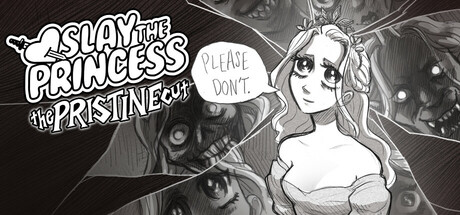
Slay the Princess is a fully voiced visual novel that starts with a simple premise: there is a princess, and you are here to slay her. Every choice branches, and the branches recurse. The voice performances by Nichole Goodnight and Jonathan Sims (yes, that one) carry the story. Multiple endings, and the game knows exactly which one you dodged.
Where it falls short: the art style is hand-drawn and rough on purpose; some players bounce off it. It expects multiple playthroughs.
Pricing:
- Base: full-price release
- vs DDLC: harder branching, no fake-genre wrapper
Bottom line: the pick for players who want the branching horror without the anime wrapper.
The Coffin of Andy and Leyley, best for bleak psychological horror
The Coffin of Andy and Leyley is the game people talk about at length because they are not sure they want to recommend it. It is a psychological horror RPG about two siblings and everything that goes wrong with them. Moral rot rather than jump-scare horror. Bright RPGMaker art hides the tone.
Where it falls short: genuinely dark themes. Not the game for a “just curious” playthrough.
Pricing:
- Base: small one-time price
- vs DDLC: no cute wrapper, the horror is right there
Buy: Steam
Bottom line: the pick if the reader wants DDLC’s psychological weight without the twist reveal.
Little Misfortune, best for storybook horror with a soft cover
Little Misfortune is from the studio behind Fran Bow. A little girl narrates her own bad day in a soft storybook style that makes the horror land harder. Shorter and gentler than the other picks on this list, but the last act sticks.
Where it falls short: short. Point-and-click pacing.
Pricing:
- Base: small one-time price, frequent sales
- vs DDLC: gentler tone, similar interest in what the player is doing to the character
Bottom line: the pick for a short, well-acted horror evening.
IMSCARED, best for short experimental horror
IMSCARED is one of the earliest examples of a horror game that treats your desktop as part of the game. Files show up in your home folder. Notes appear. The game asks you to close it and open it again. Two hours long, cheap, and the direct ancestor of DDLC’s file tricks.
Where it falls short: looks primitive. Requires trust that the developer’s file writes are benign.
Pricing:
- Base: small one-time price
- vs DDLC: the underground original of the same idea
Buy: Steam
Bottom line: the pick for a short horror night that predates DDLC’s tricks.
Pony Island, best for meta corrupted-machine horror
Pony Island is a meta puzzle game about a corrupted arcade machine that is not what it looks like. Daniel Mullins built the game two years before DDLC and it is the clearest predecessor to the same “the game itself is against you” idea. Puzzles, layered UI, a story about the machine and the demon inside it.
Where it falls short: short. The puzzle sections drag if you get stuck on one.
Pricing:
- Base: small one-time price
- vs DDLC: less character focus, more meta puzzle
Bottom line: the pick when the corrupted-machine angle is what DDLC hinted at.
How to choose
Pick DDLC Plus if the twist is new to you. Pick One Shot when the file-touching magic was what stuck. Pick Slay the Princess when you want the branching, voice-acted horror without an anime wrapper. Pick The Coffin of Andy and Leyley for a bleak, morally rotten story. Pick Little Misfortune for a short storybook evening. Pick IMSCARED for the underground original. Pick Pony Island for the meta corrupted-machine story. Stay on DDLC if what you actually wanted was to re-read Yuri’s poems.
FAQ
Is DDLC or DDLC Plus better in 2026? Plus, for first-time players and full revisits. The original 2017 version is still free on Steam and still lands the twist.
What visual novel is most like DDLC? Slay the Princess for the branching horror. One Shot for the meta layer.
Are any of these free? The original DDLC is free on Steam. The other picks all cost money.
Do any of these run on Steam Deck? DDLC Plus, One Shot, Slay the Princess, Little Misfortune, and Pony Island all run well. IMSCARED is finicky because of its OS file writes.
Which of these is the scariest? IMSCARED for jump scares, The Coffin of Andy and Leyley for psychological weight, Slay the Princess for slow dread.