NCsoft’s Dungeon Runners launched in 2007 as a free-to-play isometric action-MMO that never took itself seriously. Goofy item names, self-aware humor, and a Diablo-lite loot loop made it a cult favorite before the servers went dark. Now, 17 years later, Dungeon Runners Reborn has entered public alpha, and both original fans and curious newcomers are looking for something to run while the revival finds its footing. If that describes you, these Dungeon Runners alternatives cover the same isometric loot-and-slash ground on PC right now, from free-to-play peers to premium campaigns with decades of polish behind them.
Quick comparison
| Game | Best for | Free-to-play | Online co-op | Starting price |
|---|---|---|---|---|
| Path of Exile 2 | Deepest free-to-play loot loop | Yes | Yes | Free |
| Torchlight II | Closest tonal match | No | Yes | $19.99 |
| Diablo IV | Big-budget spiritual successor | No | Yes | $69.99 |
| Grim Dawn | Long-term build depth | No | Yes | $24.99 |
| Last Epoch | Accessible mid-weight ARPG | No | Yes | $34.99 |
| Wolcen: Lords of Mayhem | Hack-and-slash spectacle | No | Yes | $39.99 |
| Titan Quest | Classic isometric roots | No | Yes | $19.99 |
Why Dungeon Runners still matters
Dungeon Runners carved out a specific niche in 2007: a Diablo-adjacent loot grind that refused to be self-serious. Quest text was written for laughs, item flavor text poked fun at the genre, and the whole thing was free to play years before that model was common in the West. That combination of humor and accessible loot chasing is rarer than it should be. Most modern ARPGs go for grim atmosphere or grindy seriousness, and the ones that keep a light tone tend to charge upfront.
The public alpha of Dungeon Runners Reborn is genuinely exciting for anyone who remembers the original, but alphas are volatile by nature. Servers go down for maintenance, balance changes reshuffle builds overnight, and content is thin compared to a shipped game. Players who want a reliable loot loop today, rather than a promising but unfinished one, need something else to fill the gaps. The seven picks below span free-to-play peers, tonal matches, and genre heavyweights that scratch the same itch.
The 7 alternatives worth trying
Path of Exile 2
Path of Exile 2 is Grinding Gear Games’ campaign-driven sequel to one of the deepest free-to-play ARPGs ever made. It runs a full seven-act story, a massive passive skill tree, and a loot system built around chasing rare currency and unique items rather than gold. Seasonal leagues keep the endgame rotating with fresh mechanics every few months.
Where it falls short: The passive tree and crafting systems are dense enough to overwhelm players coming from a simpler game like Dungeon Runners. Trading relies on a clunky third-party or in-client marketplace rather than an auction house.
Pricing:
- Free: the full campaign and endgame, no paywalled content
- Paid: optional cosmetic and stash tab purchases only
- vs Dungeon Runners: far deeper systems, same zero-cost entry
How it fills the Dungeon Runners gap: Both games hook players with a free-to-play loot chase that never asks for a subscription. Path of Exile 2 trades the goofy tone for a darker one, but the moment-to-moment thrill of a good drop lands the same way.
Download: Steam
Bottom line: Pick this if the free-to-play part of Dungeon Runners mattered more to you than the jokes.
Torchlight II
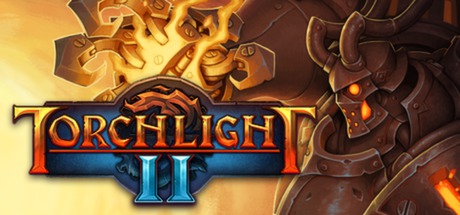
Torchlight II is Runic Games’ cartoonish, brightly colored isometric ARPG, built by former Diablo developers who wanted a lighter tone than the genre usually offers. It has full offline and online co-op, a pet companion that can sell your junk loot in town for you, and randomized dungeons that keep runs varied.
Where it falls short: Development stopped years ago, so there is no live content or seasonal support. The visual style, while charming, is dated next to newer releases.
Pricing:
- Free: no
- Paid: $19.99, frequently under $5 on sale
- vs Dungeon Runners: one-time cost instead of free, similar lighthearted presentation
How it fills the Dungeon Runners gap: Torchlight II is the closest tonal cousin on this list. The color palette, the sense of humor, and the pick-up-and-play loot loop all echo what made Dungeon Runners approachable.
Download: Steam
Bottom line: Pick this when you want Dungeon Runners’ playful attitude in a finished, stable package.
Diablo IV
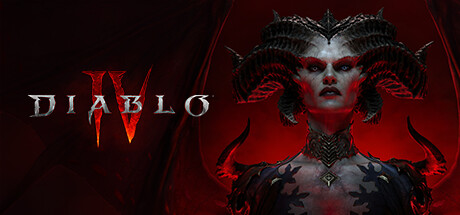
Diablo IV is Blizzard’s current mainline entry in the genre that Dungeon Runners always lived in the shadow of. It pairs an open world with seasonal content updates, a shared endgame in the form of world bosses and helltides, and full couch and online co-op.
Where it falls short: The base price is steep, and Blizzard sells additional content through expansions and a battle pass. The tone is grim and cinematic, a hard swing away from Dungeon Runners’ humor.
Pricing:
- Free: no
- Paid: $69.99, expansions sold separately
- vs Dungeon Runners: much larger budget and scope, no free option
How it fills the Dungeon Runners gap: If what drew you in was the MMO-adjacent structure, shared world events, and constant gear upgrades, Diablo IV delivers that at a AAA scale.
Download: Steam
Bottom line: Pick this if budget isn’t a concern and you want the genre’s biggest current production.
Grim Dawn
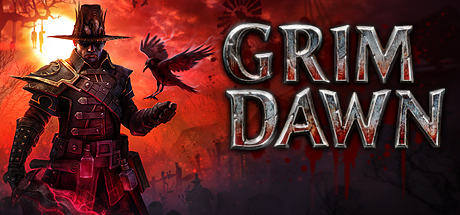
Grim Dawn is Crate Entertainment’s slow-burn ARPG built on a heavily modified Titan Quest engine. Its dual-class system lets players combine two of nine masteries into thousands of viable build combinations, and years of expansions have layered in factions, devotion constellations, and a sprawling endgame.
Where it falls short: The opening hours are grim and slow-paced, a contrast to Dungeon Runners’ quick, punchy start. The UI shows its age next to newer releases.
Pricing:
- Free: no
- Paid: $24.99, expansions sold separately, often bundled on sale
- vs Dungeon Runners: deeper build variety at a modest one-time cost
How it fills the Dungeon Runners gap: The class-mixing system rewards the same kind of experimentation Dungeon Runners players used to chase with gear combinations, just with far more long-term depth.
Download: Steam
Bottom line: Pick this if you want to sink hundreds of hours into build theorycrafting after the initial hook wears off.
Last Epoch
Last Epoch blends a time-travel narrative with a flexible skill tree and one of the friendlier crafting systems in the genre. Its offline mode and lighter system requirements make it easy to jump into, and multiplayer support has matured since its 1.0 launch.
Where it falls short: Endgame content is thinner than genre leaders like Path of Exile 2 or Diablo IV. Server stability has had rough patches around major updates.
Pricing:
- Free: no
- Paid: $34.99
- vs Dungeon Runners: mid-weight complexity, one-time purchase instead of free
How it fills the Dungeon Runners gap: The approachable skill system and forgiving crafting mirror the low-friction, jump-in-and-loot feel that made the original Dungeon Runners easy to recommend to newcomers.
Download: Steam
Bottom line: Pick this if you want modern ARPG systems without the steep learning curve of the genre’s deepest games.
Wolcen: Lords of Mayhem
Wolcen: Lords of Mayhem trades class restrictions for a flexible passive web, letting any character eventually access any skill. Combat leans into big particle effects and mobility, closer to a spectacle-driven hack-and-slash than a methodical loot grind.
Where it falls short: The game launched with serious balance and stability issues, and while patches improved things, its reputation never fully recovered. Endgame content is comparatively shallow.
Pricing:
- Free: no
- Paid: $39.99, regularly discounted well below that
- vs Dungeon Runners: pricier upfront, similar emphasis on fast, flashy combat
How it fills the Dungeon Runners gap: The chaotic, effects-heavy combat captures the same “just keep clicking and watch things explode” energy that made Dungeon Runners easy to lose an evening to.
Download: Steam
Bottom line: Pick this when you want visual spectacle over careful build planning, and you catch it on sale.
Titan Quest
Titan Quest is the classic isometric ARPG that Grim Dawn’s engine descended from, set across a mythological ancient world spanning Greece, Egypt, and beyond. Its Anniversary Edition bundles the base game with expansions and modernized multiplayer support.
Where it falls short: Combat and animations feel dated compared to anything released in the last several years. The mythological setting is a tonal step away from Dungeon Runners’ modern-fantasy jokes.
Pricing:
- Free: no
- Paid: $19.99 for the Anniversary Edition
- vs Dungeon Runners: comparable low cost, similar era of genre design
How it fills the Dungeon Runners gap: As one of the genre’s foundational titles, Titan Quest offers the same straightforward, no-frills loot-and-fight loop that defined Dungeon Runners before either game layered on extra complexity.
Download: Steam
Bottom line: Pick this if you want the genre’s classic roots at a budget price.
How to pick the right one
Players who valued Dungeon Runners’ free-to-play accessibility above everything else should start with Path of Exile 2, which asks for nothing upfront and still delivers genre-leading depth. Anyone chasing the original’s specific brand of humor and bright color palette will find the closest match in Torchlight II. Readers with money to spend and a want for the biggest current production should look at Diablo IV, which brings the shared-world, MMO-adjacent structure Dungeon Runners hinted at in 2007.
For players who want to stick around for hundreds of hours, Grim Dawn’s build variety rewards that kind of investment, while Last Epoch offers a gentler on-ramp into modern ARPG systems without demanding a steep learning curve. Wolcen suits players chasing visual spectacle over technical precision, especially picked up during a sale. Titan Quest rounds things out for anyone who wants the genre’s older, simpler design at a low price point.
None of these replace the specific charm of the original Dungeon Runners, but all seven keep the core loop, gearing up and getting stronger, running while Dungeon Runners Reborn works through its alpha.
FAQ
When did the original Dungeon Runners shut down?
NCsoft shut down the original Dungeon Runners servers in 2010, a few years after its 2007 launch. Dungeon Runners Reborn entered public alpha in 2026, 17 years after the original went free-to-play.
Is Path of Exile 2 really free?
Yes. The full campaign and endgame are free to play, with no content locked behind a paywall. Grinding Gear Games monetizes through optional cosmetics and stash tab expansions, not gameplay-affecting purchases.
Which ARPG has the best solo campaign?
Diablo IV offers the most cinematic, story-driven solo campaign on this list, with full voice acting and an open world to explore. Last Epoch and Path of Exile 2 both offer strong solo campaigns as well, with less production polish but comparable mechanical depth.
Is Diablo IV worth it in 2026?
It depends on budget and appetite for seasonal content. Diablo IV delivers a AAA production with regular content updates, but the base price and expansion costs add up compared to the free or budget options on this list. Players who want the biggest, most polished experience in the genre will likely find it worth the cost.
What replaced Dungeon Runners in the F2P ARPG space?
Path of Exile, and now Path of Exile 2, became the dominant free-to-play ARPG after Dungeon Runners shut down, offering far deeper systems at the same zero-cost entry point. Several mobile and browser titles have also tried to fill the niche, though none matched Dungeon Runners’ PC-first, humor-driven approach as closely as Path of Exile 2 does today.