Polygon marked the moment this month: Fire Emblem: Three Houses turned seven in July 2026, and the series is still Switch-exclusive. Nintendo has not announced a PC port, and there is no legal way to play any mainline entry on Windows, macOS, or Linux. That leaves a lot of tactics fans watching from the sidelines while the rest of the genre matures on Steam.
We spent the last few weeks running through seven tactical RPGs that hit the same nerves Fire Emblem does: grid tactics, permadeath (or its close cousins), character bonds that shape combat, class trees with real weight, and story-heavy campaigns. Every game here runs natively on PC. We tested each on a Windows 11 desktop and again on Steam Deck to check controller mapping, battery life, and text legibility on the smaller screen.
Quick comparison
| App | Best for | Free plan | Starting price | Standout feature |
|---|---|---|---|---|
| Triangle Strategy | HD-2D story-first tactics | No | $59.99 | Branching plot shaped by conviction votes |
| Symphony of War | Squad-scale Fire Emblem feel | Demo | $19.99 | Build and manage 8-unit squads |
| Wargroove 2 | Couch co-op and Advance Wars fans | No | $19.99 | Local and online co-op campaigns |
| Fell Seal: Arbiter’s Mark | Deep class trees | No | $29.99 | 30-plus job system with hybrid builds |
| Tactics Ogre: Reborn | Genre history and dense systems | No | $49.99 | Restored translation and rebalanced classes |
| Dark Deity | Sacred Stones-era nostalgia | Demo | $24.99 | Weapon triangle and support conversations |
| Vestaria Saga I | The closest thing to a Fire Emblem sequel | No | $19.99 | Made by Fire Emblem’s original creator |
Why PC players want a Fire Emblem alternative
The complaints show up on the same three forums week after week. Three Houses is trapped on Switch hardware that Nintendo has now let stagnate for years, and even a used copy of the game means buying into a console solely for one series. Emulation runs, but the legal grey area around ripping ROMs makes it a non-starter for anyone who wants to buy games rather than acquire them.
Engage split the community. The map design was praised, the story was not, and players who came in through the Three Houses door felt whiplash. That left a lot of fans waiting for a follow-up that has not been announced, on a console generation that is winding down. Seven years is a long time to sit in a genre vacuum.
Meanwhile, Steam has quietly become the strongest tactical RPG storefront in gaming. Square Enix ships legacy tactics classics on it, Chucklefish keeps the Advance Wars torch lit, and a small pile of indie studios has spent the last decade making games that borrow from Fire Emblem openly. Some of them were made by people who worked on Fire Emblem itself.
The alternatives
Triangle Strategy, best for HD-2D story-first tactics
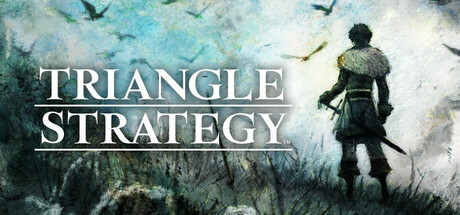
Square Enix’s answer to modern grid tactics uses the same HD-2D pixel-plus-3D look that carried Octopath Traveler. Combat is slower than Fire Emblem, with turns that reward positioning and elevation more than raw damage output. The story branches based on a conviction system: your party votes on major decisions, and every playthrough locks off content on the paths not taken.
Where it falls short: pacing is glacial in the first ten hours, and the writing leans heavy on political intrigue that some players find tedious. Combat encounters are also less frequent than Fire Emblem, which can feel starved if you are here for the fights.
Pricing:
- Base game: $59.99 on Steam
- No demo, no subscription tier
- Occasional Steam sale discounts
vs Fire Emblem: heavier story, lighter combat cadence, no permadeath but consequential story deaths.
Download: Steam
Bottom line: the closest thing to a modern flagship tactics game on PC, worth it if you want production values above all else.
Symphony of War: The Nephilim Saga, best for squad-scale Fire Emblem feel
Symphony of War trades the one-unit-per-tile model for squads of up to eight characters that move as a group. Each squad has a captain who defines its role, and building a balanced army feels closer to Ogre Battle than Fire Emblem. That said, the pacing, dialogue rhythm, and support conversations are pulled directly from the Fire Emblem playbook.
Where it falls short: the sprite work is functional rather than beautiful, and voice acting is absent. Squad management can also snowball into busywork by the late game when you are juggling twenty units.
Pricing:
- Base game: $19.99 on Steam
- Free demo on the store page
- Legends DLC available separately
vs Fire Emblem: bigger battles, more army management, similar story cadence and character bond depth.
Download: Steam
Bottom line: the best value on this list, and the closest match if you want the Fire Emblem loop with a squad twist.
Wargroove 2, best for couch co-op and Advance Wars fans
Chucklefish picked up the Advance Wars torch when Nintendo dropped it, and the sequel doubles down on what worked. Four separate story campaigns, a rogue-lite mode, and the smoothest local and online co-op in the tactics genre. Commanders each have distinct groove abilities that reshape combat around them.
Where it falls short: the pixel art style is polarizing, and the story is lighter than a Fire Emblem campaign. There is no permadeath and no support conversations, so the character-bond side of things is thin.
Pricing:
- Base game: $19.99 on Steam
- No demo
- Occasional bundle with the original Wargroove
vs Fire Emblem: sharper puzzle-like maps, weaker character stories, better multiplayer.
Download: Steam
Bottom line: the pick if a friend or partner wants to play with you on the same couch.
Fell Seal: Arbiter’s Mark, best for deep class trees
Fell Seal is the Final Fantasy Tactics tribute the community has been asking for, and the class tree runs thirty jobs deep. You unlock skills in one class, then equip them as a secondary in another, which opens up hybrid builds that outlast most other games in the genre. Permadeath is optional and toggled per save.
Where it falls short: the writing is serviceable but not memorable, and the isometric camera can hide elevation edges during fast turns. Character portraits are hand-drawn but stiff.
Pricing:
- Base game: $29.99 on Steam
- Missions and Monsters DLC adds a monster-taming mode
- No demo, no free tier
vs Fire Emblem: much deeper character building, less emphasis on relationships, similar campaign length.
Download: Steam
Bottom line: the class-tree obsessive’s game on this list, and the one we lost the most hours to.
Tactics Ogre: Reborn, best for genre history and dense systems
Tactics Ogre is the game Fire Emblem borrowed from in the first place, and Reborn is Square Enix’s tuned-up rerelease with a fresh translation and rebalanced class system. Combat is slower and denser than modern tactics, with more systems layered on top of the base grid. The branching Law-Chaos-Neutral routes reward multiple playthroughs.
Where it falls short: the UI still feels older than 2022, and the pacing is punishing for anyone new to the subgenre. The rebalance also weakened some fan-favourite exploits from earlier versions.
Pricing:
- Base game: $49.99 on Steam
- No DLC, no demo
- Frequent seasonal sales
vs Fire Emblem: more systems, denser combat, branching moral choices instead of romance-flavoured bonds.
Download: Steam
Bottom line: the historical pick, and still one of the best-designed maps sets in the genre.
Dark Deity, best for Sacred Stones-era nostalgia
Dark Deity is an open love letter to the Game Boy Advance Fire Emblem era. Sacred Stones is the clear touchstone: weapon triangle, support conversations, class promotions, and a story that borrows the small-scale royal-intrigue framing that defined those games. Permadeath is toggleable, and injury replaces death for players who want a softer run.
Where it falls short: the writing is uneven, especially in the first act, and enemy AI is passive on lower difficulties. Some maps recycle layouts more than we would like.
Pricing:
- Base game: $24.99 on Steam
- Sequel Dark Deity 2 available separately
- Free demo on the store page
vs Fire Emblem: near-identical structure, thinner production, indie budget scale.
Download: Steam
Bottom line: the strongest Sacred Stones vibe on Steam, and the pick if you want Fire Emblem’s exact shape at half the price.
Vestaria Saga I: War of the Scions, best for the closest thing to a Fire Emblem sequel
Vestaria Saga was made by Shouzou Kaga, the creator of Fire Emblem himself, after he left Nintendo. It is a direct spiritual successor built on the same design instincts, and it feels closer to a lost GBA-era Fire Emblem than any other game here. Permadeath is baked in and non-optional, and the map design is the sharpest of the whole list.
Where it falls short: presentation is dated, and the interface shows its RPG Maker roots. There is no controller support out of the box, so Steam Deck players will need a community layout.
Pricing:
- Base game: $19.99 on Steam
- No DLC
- Occasional deep discounts
vs Fire Emblem: made by Fire Emblem’s own creator, so mechanically the closest match, but visually the furthest from a modern release.
Download: Steam
Bottom line: the pick if you care about design pedigree over presentation.
How to choose
Pick Triangle Strategy if you want HD-2D and want a modern flagship. The production values carry the pacing quirks, and the branching story rewards a second run.
Pick Vestaria Saga if you want the closest thing to a Fire Emblem sequel from its actual creator. It is rough around the edges but the map design and combat feel are unmatched here.
Pick Wargroove 2 for co-op couch play. It is the only game on this list built for two players on the same sofa, and the campaigns hold up solo too.
Pick Fell Seal for the deepest class tree. Thirty jobs, hybrid builds, and enough character customization to keep a completionist busy for hundreds of hours.
Pick Dark Deity for the strongest Sacred Stones vibe. Near-identical structure at a lower price, and the perfect gateway if the GBA-era games were your entry point.
Pick Symphony of War for squad-scale battles. Bigger armies, deeper unit management, and the closest match to the Fire Emblem loop with a twist.
Pick Tactics Ogre: Reborn if the genre’s history matters more than modern polish. It is the game every other entry here has copied from at least once.
Stay on Switch for Fire Emblem itself if you are only after Three Houses or Engage. Nothing on PC is a one-to-one replacement, and if the brand is what you care about, no alternative will fill that gap.
FAQ
Are there any Fire Emblem games on Steam?
No. Nintendo has never released a Fire Emblem title on Steam or any PC storefront, and there are no announced plans to do so. Every mainline entry, including Three Houses and Engage, remains locked to Nintendo hardware. The seven games in this article are the closest legally available alternatives on PC.
Is Fire Emblem coming to PC?
Nintendo has not announced a PC port for any Fire Emblem game, and their platform strategy has historically kept first-party series exclusive to their own hardware. Nothing in recent Nintendo Direct presentations has hinted at a shift. Do not hold your breath.
What is the closest thing to Fire Emblem on Steam?
Vestaria Saga and Symphony of War lead the pack. Vestaria Saga was made by Fire Emblem’s original creator and mirrors the design language of the GBA-era games. Symphony of War borrows the campaign structure and character-bond systems but scales combat up to squads. Dark Deity is a strong third if you specifically want the Sacred Stones feel.
Can Fire Emblem be played on Steam Deck?
Only through emulation, which is legally grey. Ripping a ROM from a cartridge you own is tolerated in some regions and prosecutable in others, and downloading a ROM you do not own is copyright infringement everywhere. The Steam Deck runs every game in this article natively, which is a cleaner path.
Is Triangle Strategy like Fire Emblem?
Yes, but slower-paced and story-first. It uses the same grid-based turn-based combat and the same fantasy-political setup, and Square Enix has openly cited Tactics Ogre and Fire Emblem as inspirations. Expect longer cutscenes, fewer battles per hour, and no permadeath, but the tactical core is very familiar.