IMVU has run 3D avatar chat for almost two decades, and the desktop client still opens a familiar mall of user-made rooms. But long-time users on r/IMVU keep flagging the same three complaints: the paid credit economy inflates faster every year, load times on modern GPUs are slower than they should be, and moderation on public rooms has thinned. If you want a lighter, cheaper, or more up-to-date IMVU alternative on Windows or macOS in 2026, this is what actually holds up after a week of daily use.
Quick comparison
| App | Best for | Free plan | Starting price | Standout feature |
|---|---|---|---|---|
| VRChat | Social VR with desktop mode | Free | $9.99/mo Plus | Massive user-created world library |
| Second Life | Deep customization and economy | Free | $11.99/mo Premium | Real virtual land ownership |
| Rec Room | Casual social games | Free | Free | Cross-play with consoles and VR |
| Roblox | User-created games and hangouts | Free | Free | Largest active audience |
| Zepeto | Mobile-first avatar social | Free | Free | Style and creator economy |
| Sansar | High-fidelity avatars and events | Free | Free | Live music and events focus |
| Sinespace | Web-connected virtual worlds | Free | Free | Browser and desktop clients |
Why people leave IMVU on desktop
The credit and VIP economy keeps inflating. Basic items that cost hundreds of credits five years ago now list for thousands, and outfit prices for anything current-season have climbed proportionally. VIP tier costs and Access Pass add-ons stack, and refund policies for accidental purchases remain restrictive.
Desktop client performance lags modern hardware. IMVU’s engine was built for early-2010s Windows PCs, and even on a recent laptop the room-loading time and animation smoothness fall behind newer social platforms. Users on the IMVU support forums consistently ask for a Vulkan or Metal rewrite that has not shipped.
Moderation on public rooms has thinned. Reports of underage users in adult-tagged rooms and slow moderator response to harassment are recurring themes on the community’s own subreddit. IMVU has tightened age verification but the room-level moderation still relies mostly on host actions.
The alternatives
VRChat — Best overall IMVU replacement
VRChat is the largest social 3D world on Steam, and it has a full desktop mode that does not require a headset. The Windows client streams user-created worlds and avatars from a library that dwarfs IMVU’s, and creator tools use Unity so anything you can model in Blender can enter a world. Voice chat is spatial and reliable.
Where it falls short: No native macOS client; Mac users run it via Steam Play or Windows partitions. Some worlds require a paid VRChat Plus for local storage of custom shaders.
Pricing:
- Free: Everything core
- Paid: VRChat Plus at $9.99 per month for extra avatar slots and stickers
- vs IMVU: Much more content, similar free-plus-paid pattern
Migrating from IMVU: No import. Bring reference images for your look and rebuild an avatar via a Unity template.
Download: VRChat on Steam · vrchat.com
Bottom line: Pick this if you want the largest current social 3D scene. Skip it if a native Mac client is a hard requirement.
Second Life — Best for depth of customization
Second Life remains the deepest 3D world platform for adults. Avatars use the Linden Lab mesh format that lets creators sculpt every detail, and the in-world economy runs on Linden Dollars with a real fiat exchange rate. Desktop clients exist for Windows, macOS, and Linux, and third-party viewers like Firestorm add quality-of-life features beyond the official client.
Where it falls short: Learning curve is steeper than IMVU. The interface still shows its early-2000s bones despite recent UI passes.
Pricing:
- Free: Account and basic access
- Paid: Premium at $11.99 per month for land allowance and premium content
- vs IMVU: Deeper economy, higher barrier to entry
Migrating from IMVU: No import. Recreate an avatar with mesh body and clothing purchases inside Second Life.
Download: secondlife.com · Firestorm
Bottom line: Pick this if you want a real virtual economy. Skip it if you want to hang out in a room in five minutes.
Rec Room — Best casual social alternative
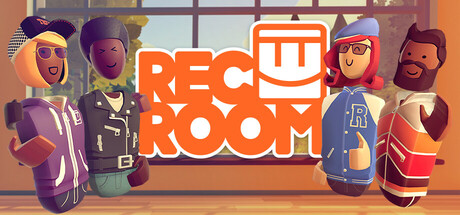
Rec Room is a casual social game platform with cross-play across Windows, PlayStation, Xbox, and VR. Rooms are focused on lightweight games like paintball, laser tag, and creator-built experiences rather than static chat lounges. The Windows client is free and runs smoothly on modest hardware. Avatars are stylized rather than photoreal.
Where it falls short: No native macOS or Linux clients. Chat-only lounges are less central than in IMVU.
Pricing:
- Free: Full platform access
- Paid: Rec Room Plus at $7.99 per month for cosmetic perks and creator boosts
- vs IMVU: Broader activity mix, comparable free tier
Download: recroom.com · Rec Room on Steam
Bottom line: Pick this if you want games and hangouts together. Skip it if avatar customization depth matters most.
Roblox — Best for the largest active audience
Roblox is the largest active social 3D platform by user count, and while it skews younger than IMVU, adult communities and creator groups have grown fast. The Windows and macOS clients handle both social hangouts and games, and Roblox Studio for Windows lets creators build their own experiences and monetize them via Robux.
Where it falls short: Younger default audience means adult communities live in narrower creator experiences rather than the main directory. Avatar realism lags IMVU by design.
Pricing:
- Free: Full access
- Paid: Robux top-ups from a few dollars
- vs IMVU: Larger audience, different aesthetic
Download: roblox.com
Bottom line: Pick this if audience size matters. Skip it if adult-oriented avatars are the point.
Zepeto — Best mobile-first alternative
Zepeto is Naver’s avatar social network, popular in Asia, that added a desktop presence via web and streaming. Avatars are stylized in a Korean beauty aesthetic and the creator economy for outfits is one of the most active outside China. It runs primarily on iOS and Android; desktop access is via the Zepeto web experiences and Zepeto Live streaming clients.
Where it falls short: No fully native Windows or macOS desktop client. Deep experiences still route through mobile.
Pricing:
- Free: Full platform access
- Paid: In-app coin and zem currency purchases
- vs IMVU: Stronger mobile creator economy, weaker desktop parity
Download: zepeto.me
Bottom line: Pick this if your friends are already on Zepeto mobile. Skip it if desktop-first is a hard requirement.
Sansar — Best for live 3D events
Sansar shifted focus from open social worlds to hosted live 3D events, and the Windows client streams concerts, meetups, and interactive shows. Avatar quality is higher than IMVU and world detail supports up to 4K rendering on capable GPUs. It works with VR headsets and in standard desktop mode.
Where it falls short: Fewer always-on public hangout rooms than IMVU. Event-driven pattern means the platform can feel quiet between shows.
Pricing:
- Free: Attend events, basic avatar customization
- Paid: Item and event purchases as needed
- vs IMVU: Higher fidelity, less always-on chat
Download: sansar.com
Bottom line: Pick this if you attend virtual concerts and events. Skip it if steady daily hangouts are your reason for IMVU.
Sinespace — Best web-integrated option
Sinespace blends browser access with a native Windows client, so you can drop into a room from a link without installing anything. Avatars, worlds, and objects use Unity assets like VRChat, and the marketplace for user-made items has kept a steady creator community. World variety is smaller than VRChat but the browser entry point lowers the friction.
Where it falls short: No native macOS client. Smaller total user base than VRChat or Second Life.
Pricing:
- Free: Full access
- Paid: Gold currency for premium items
- vs IMVU: Comparable feel, browser access is unique
Download: sine.space
Bottom line: Pick this if you want the flexibility of a browser client. Skip it if peak concurrent population is what you want.
How to choose
Pick VRChat if you want the largest active social scene on desktop, are comfortable installing Steam, and are fine with Windows-first support. It has the largest inventory of user-made worlds and avatars of anything in this list.
Pick Second Life if you want a deep virtual economy with real financial rewards for creators, and you are willing to accept a steeper learning curve. It still has the most complete adult social ecosystem on desktop.
Pick Rec Room if you want casual games and hangouts in one client, especially if some friends are on console or VR. Pick Roblox if audience size matters more than aesthetic; the creator experience surface is huge.
Pick Zepeto or Sansar for specific angles: Zepeto for Asian-market mobile-adjacent styling, Sansar for live events. Pick Sinespace if browser access is a real convenience for you.
Stay on IMVU if you have years of purchased items and community rooms that you would not rebuild elsewhere. The switching cost inside IMVU’s economy is real, and none of the alternatives will feel identical on day one.
FAQ
What is the closest thing to IMVU? Second Life is the closest match on depth of avatar and world customization; VRChat is the closest on active social scene. Neither replicates IMVU’s specific 2D-to-3D room aesthetic exactly, but both cover the “chat in a customizable 3D space” use case.
Is there a free IMVU alternative? Every option in this list has a free tier. VRChat, Rec Room, Roblox, Sansar, and Sinespace never require payment; Second Life and Zepeto have optional paid tiers and item purchases.
Which alternative runs best on a low-spec laptop? Rec Room and Sinespace scale down well to older Intel graphics. Roblox runs on almost any hardware. VRChat and Second Life prefer a dedicated GPU for smooth avatar rendering.
Can I make money creating avatars in these apps? Second Life’s Linden Dollar economy has a real fiat exchange rate for creators. VRChat and Rec Room have creator tools with revenue share programs. IMVU’s creator economy is still active but the payout thresholds and terms have tightened.
Does IMVU still work on Mac? IMVU’s official Mac client was deprecated years ago. Mac users typically run it via Boot Camp or a Windows VM. The alternatives above with native macOS support include Second Life and Roblox.