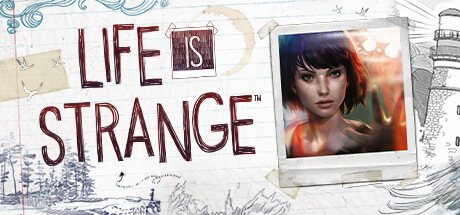
Polygon reported this week that Don’t Nod, the Paris studio behind the original Life is Strange, warned investors 2026 could be its last as an independent company. Two consecutive underperforming releases, a shrinking narrative-games market, and a self-publishing bet that did not land have the company hunting for a buyer or a bridge. If Life is Strange defined a genre for a generation of players, this is the moment to line up the games that carry the same DNA on desktop, in case the studio’s future goes dark. Seven Life is Strange alternatives on desktop below, all live on Steam right now, cover the paths readers usually take from Arcadia Bay: quiet choice-driven writing, small-town character work, or the branching drama that lets a bad decision stick for the whole playthrough.
The evaluation ran on Windows 11 and a Steam Deck, playing each title to credits on at least one branch, with a second pass on the branch-heavy picks.
Why people revisit Life is Strange
The recurring notes across the r/LifeisStrange, r/patientgamers, and Steam discussion threads:
- The episodic pacing. A five-episode arc that lands one every couple of weeks was the point. Long-form serialised storytelling in games is rare and people miss the shape.
- Arcadia Bay as a place. The Pacific Northwest small town, the diner, the lighthouse, the junkyard. The setting does as much work as the plot.
- Quiet character work. Max photographing her room, Chloe listening to a mixtape in her truck, the two of them not saying anything on the train tracks. The dialogue between action beats is what people remember.
- Consequences that do not reset. The rewind mechanic is the hook, but the real weight is the five or six choices the game refuses to let you undo.
The comparison table below and the seven picks that follow are ordered by how closely each one hits at least two of those notes.
Quick comparison
| Game | Best for | Length | Price | Standout element |
|---|---|---|---|---|
| Oxenfree | Real-time branching dialogue | 5 hours | Around $10 | Radio-driven paranormal choices |
| Life is Strange: True Colors | The closest successor | 12 hours | Around $30 | One-town arc, all episodes at launch |
| Tell Me Why | Don’t Nod’s own follow-up | 8 hours | Around $30 | Twin siblings, one shared memory |
| Night in the Woods | Small-town character writing | 10 hours | Around $20 | Talk-driven post-college drift |
| As Dusk Falls | Branching family drama | 7 hours | Around $30 | Interactive graphic-novel style |
| The Wolf Among Us | Telltale-style choice weight | 8 hours | Around $15 | Fairytale noir, timed dialogue |
| Kentucky Route Zero | Long-form magical realism | 12 hours | Around $25 | Five acts read like a play |
The alternatives
Oxenfree, the closest choice-driven pick
Oxenfree is the Life is Strange alternative that hits the dialogue-first appeal head on. Real-time branching means the group of five teens keeps talking whether or not the player picks a line, and interrupting, waiting, or holding silence all change the shape of the conversation. The paranormal beach setting on Edwards Island gives the game a small, contained place that reads a lot like Arcadia Bay from a different angle.
The Netflix acquisition kept the game on every storefront, and the Directors Cut adds a full anniversary campaign.
Where it falls short: the puzzle work is thin, and the ending divides the room the way Life is Strange episode five does.
Pricing:
- Free: available on Netflix mobile for subscribers, not on desktop.
- Paid: around ten dollars on Steam, regularly on sale for less than five.
- vs Life is Strange: sharper dialogue, less time spent in one character’s head.
Migrating from Life is Strange: plan two playthroughs to see the branches. Roughly ten hours total.
Download: Steam
Bottom line: the pick if the appeal of Life is Strange was Max and Chloe on the train tracks, just talking.
Life is Strange: True Colors, the closest successor
Life is Strange: True Colors is the Deck Nine follow-up that most fans of the original settle on. One protagonist, one Colorado mountain town, one power (reading and absorbing other people’s emotions), and every episode available at launch instead of the two-month wait. Alex Chen’s arc through Haven Springs plays like a tighter, less time-loopy version of the original.
The all-at-once release is worth calling out. The original Life is Strange’s episodic release schedule created the fandom, but it also meant a lot of players never finished it. True Colors removes that friction.
Where it falls short: the empathy power is quieter than time rewind, and the villain writing in the final act does not match the character work in episodes one through three.
Pricing:
- Free: no free tier.
- Paid: around thirty dollars on Steam, regularly on sale for ten.
- vs Life is Strange: same studio family, same tone, one town instead of a road trip.
Migrating from Life is Strange: start fresh. The DLC returns to Chloe and Steph if the pull is toward the original cast.
Download: Steam
Bottom line: the pick for anyone who wants Life is Strange again without waiting for whatever Don’t Nod does next.
Tell Me Why, the Don’t Nod follow-up
Tell Me Why is the Don’t Nod game that most people missed, and the one that reads clearest as a bridge from the original Life is Strange. Twin siblings return to their childhood home in a small Alaska town, share a memory-viewing bond, and disagree about what happened the night their mother died. Three episodes, roughly eight hours, with one of the first playable trans protagonists in a mainstream release.
The Alaska setting does the same work Arcadia Bay does. A small place, a specific season, a returning character with a history to unpack.
Where it falls short: the pacing sags in the middle episode, and the mystery resolution is more restrained than the original Life is Strange’s cliff-edge choice.
Pricing:
- Free: no free tier.
- Paid: around thirty dollars on Steam, frequently on sale for a third.
- vs Life is Strange: same studio, quieter stakes, better sibling writing.
Migrating from Life is Strange: clear an evening for each of the three episodes. It rewards being played close together.
Download: Steam
Bottom line: the pick for the Don’t Nod fan who has not gone back to it yet, and the closest thing to a spiritual sequel.
Night in the Woods, the small-town character pick
Night in the Woods is the Life is Strange alternative for anyone whose favorite part was the diner scenes, the graveyard, and the parents who never quite know what to say. Mae Borowski drops out of college and comes back to the dying mining town of Possum Springs. The plot has a mystery in it, but the game is really about hanging out with old friends and watching a place lose its future.
The dialogue writing is some of the sharpest in the medium, and the band practice minigame is used in game design lectures for the same reason the Lewis chapter of Edith Finch is.
Where it falls short: the last act tips into supernatural territory that not every player wants, and the platforming feel is imprecise on a controller.
Pricing:
- Free: no free tier.
- Paid: around twenty dollars on Steam, often under seven on sale.
- vs Life is Strange: no branching, deeper character writing, sadder in a quieter way.
Migrating from Life is Strange: play one in-game day per sitting. The rhythm is the point.
Download: Steam
Bottom line: the pick when Life is Strange’s small-town texture was the whole appeal.
As Dusk Falls, the branching drama
As Dusk Falls is the Life is Strange alternative that leans hardest on branching. Interior/Night’s debut is a six-chapter interactive graphic novel that follows two families over thirty years, starting from a hostage situation in a roadside motel in Arizona. Choices persist across generations. A decision in book one can rewrite who the player is even controlling in book two.
The art style is unusual, static illustrations with subtle animation, and it takes about twenty minutes to click, but the story earns the format.
Where it falls short: no free movement, no exploration, and some sections read closer to a Netflix interactive special than a game.
Pricing:
- Free: no free tier, but on PC Game Pass at launch and still on the service.
- Paid: around thirty dollars on Steam, regularly on sale for half.
- vs Life is Strange: heavier consequences across a longer timeline, less time spent in any one character’s head.
Migrating from Life is Strange: one book per evening, six evenings.
Download: Steam
Bottom line: the pick for the player who wanted Life is Strange’s choices to really stick.
The Wolf Among Us, the Telltale pick
The Wolf Among Us is the Life is Strange alternative for anyone who came to the original through Telltale’s own The Walking Dead. Bigby Wolf works fairytale noir cases in a run-down New York borough where the Fables live in hiding. Timed dialogue, moral coin flips, and a season-one arc that lands cleanly across five episodes.
The game predates Life is Strange by a year and a lot of what makes Life is Strange readable came from the same choice-driven design language.
Where it falls short: the second season has been in development for eight years and is not out. Season one is the whole product for now.
Pricing:
- Free: no free tier.
- Paid: around fifteen dollars for the season, often five on sale.
- vs Life is Strange: sharper genre framing, less earnest character work, comparable choice weight.
Migrating from Life is Strange: binge two episodes an evening. It rewards being played close together.
Download: Steam
Bottom line: the pick if the appeal was the Telltale-style pressure of every choice.
Kentucky Route Zero, the long-form pick
Kentucky Route Zero is the Life is Strange alternative for readers. Five acts across nine years of real-world release, each act a short play about a truck driver, an antique delivery, a highway that no longer appears on maps, and a debt that keeps the passengers moving. The prose does most of the work and the choices are less about outcome than voice.
The TV Edition bundles every act and every interlude, and it is the version that runs cleanly on the Steam Deck.
Where it falls short: almost no interactive tension, and no rewind or reset. This is the pick when the appeal is the writing, not the mechanic.
Pricing:
- Free: no free tier.
- Paid: around twenty-five dollars for the TV Edition, deep discounts every seasonal Steam sale.
- vs Life is Strange: longer, slower, structured like a novel in five parts.
Migrating from Life is Strange: one act per week, with the interludes played in the gaps.
Download: Steam
Bottom line: the pick for anyone whose favorite part of Life is Strange was the tone between the choices.
How to pick
- Pick Oxenfree if the appeal was Max and Chloe just talking, and the branches actually mattering.
- Pick Life is Strange: True Colors if the answer is more Life is Strange, without the two-month wait between episodes.
- Pick Tell Me Why if the pull is to see what Don’t Nod did next, and the sibling premise sounds better than the time-rewind one.
- Pick Night in the Woods if the memory that keeps coming back is the diner, the parents, the graveyard, and Warren.
- Pick As Dusk Falls if the goal is choices that stick across a generation, not one week.
- Pick The Wolf Among Us if the Life is Strange muscle memory is really Telltale muscle memory.
- Pick Kentucky Route Zero if what stayed with you was the writing between the choices, not the choices.
- Stay on Life is Strange for a re-play with a walkthrough that flags every branch. The 2015 original has more variation than a first run reveals.
FAQ
Is Don’t Nod really closing?
Don’t Nod is not closed. The company warned investors in 2026 that without a strategic partner, a bridge financing round, or a strong second-half release, the studio’s independence is not guaranteed into 2027. That is the reporting the Polygon story is built on, not an announced shutdown.
Which Life is Strange alternative is the closest to the original?
Life is Strange: True Colors from Deck Nine, followed by Tell Me Why from Don’t Nod itself. Both keep the small-town setting, the young protagonist, and the low-key supernatural power.
Are these Life is Strange alternatives on the Steam Deck?
All seven run on Steam Deck. Life is Strange: True Colors, Oxenfree, Tell Me Why, and Kentucky Route Zero’s TV Edition are Verified. The rest are Playable with minor tweaks.
Is there a free Life is Strange alternative?
Oxenfree comes free on Netflix’s mobile app for subscribers, and As Dusk Falls is included on PC Game Pass. The rest are paid on Steam, though sales are frequent and deep.
What are people playing after Life is Strange: Double Exposure?
Reddit and Steam threads converge on Life is Strange: True Colors as the safest next pick, Oxenfree II for the mechanical continuation, and Kentucky Route Zero for readers who wanted the writing to slow down.