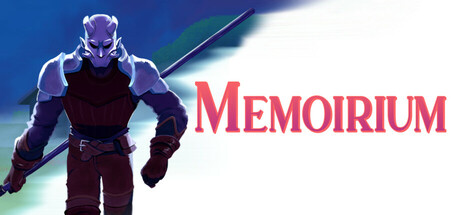
Memoirium launched on August 13, 2026, and immediately hooked an audience hungry for something that smells like the surreal dread of the Backrooms filtered through Dark Souls rigour. This retro soulslike from solo developer GoldenGratus, backed by Innersloth’s Outersloth fund, asks you to fight your way through dreamscapes while decorating a personal sanctuary. The tagline says it all: Dream, Defy, Decorate. At $14.99, Memoirium is lean, focused, and unafraid of punishing you with Inception-level architecture and liminal horror. If you’ve already sunk hours into it and want to know what Memoirium alternatives exist for desktop, we’ve tested seven games that capture at least one thread of what makes Memoirium grip your chest.
Quick comparison
| App | Best for | Free plan | Starting price | Standout feature |
|---|---|---|---|---|
| Lies of P | Story-driven soulslike | No | $60 | Victorian puppet lore, branching morality |
| Elden Ring | Open-world exploration | No | $60 | Seamless multiplayer, Erdtree legacy |
| Blasphemous 2 | Gothic pixel art | No | $30 | Jaw-dropping hand-drawn animation |
| Dark Souls Remastered | The blueprint | No | $40 | Bonfire linearity, interconnected world |
| Salt and Sacrifice | Side-scrolling hunting | No | $20 | Hunt-focused progression, co-op raids |
| Signalis | Pixel-art horror puzzle | No | $20 | Dreamscape narrative, LGBT narrative depth |
| Mortal Shell | Fast combat loop | No | $30 | Shell-swapping mechanics, short runtime |
Why Memoirium hooks players and what to try next
Memoirium’s core pull is the collision of two aesthetics: soulslike combat that demands precision, patience, and a willingness to fail, paired with a dreamscape that feels actively hostile because it doesn’t follow waking rules. Backrooms-style architecture (endless hallways, impossible angles, the creeping sense you’re in a place you shouldn’t be) replaces Souls’ medieval tangibility, which makes every enemy encounter feel stranger and more urgent. You’re not just dying; you’re trapped and dying.
The second thread is the “Decorate” pillar. Memoirium lets you personalize a sanctuary where you rest between runs, which does two things: it gives non-combat progression a purpose (you’re building toward comfort, not just stat upgrades), and it anchors you emotionally to the game in a way pure combat loops don’t. It’s the hearth feeling from Hades, but quieter and more introspective. That combination of unforgiving battles and domestic refuge is rare enough that chasing it through alternatives matters.
The third thread is accessibility of strangeness. Memoirium doesn’t demand you watch a three-hour lore essay to care about its world. The horror is immediate, the combat feels responsive, and the aesthetic (retro pixel art, synth soundtrack, deliberately low-res) is cohesive enough that you don’t need 40 hours to get why people love it. It’s a game that trusts your intuition.
The alternatives
Lies of P
Lies of P is a top-down Victorian-era soulslike with a narrative spine that Memoirium doesn’t aim for. You play as a puppet breaking free in a gas-lit city, and your moral choices during dialogue branches actually alter combat encounters and endings. The pixel art is smaller-scale than Memoirium, but the bosses are relentless and the parry-based combat rewards precision.
Where it falls short: The fixed camera can feel claustrophobic when you need spatial awareness for larger arena fights. Narrative pacing drags in the second act.
Pricing: Paid.
Platforms: Windows.
Download: Steam
Bottom line: Lies of P is the closest story-driven alternative, but dialogue trees replace dreamscape mystery.
Elden Ring
Elden Ring is FromSoftware’s open-world distillation of Dark Souls’ combat into a landscape you can explore in any order. George R. R. Martin’s worldbuilding creates a sense of scale and ruin that echoes Memoirium’s “things are wrong here” atmosphere, even though the setting is high fantasy rather than surreal. Multiplayer invasions and co-op seamlessly weave other players into your world.
Where it falls short: The open-world structure can dilute boss intensity if you come back overleveled. PC performance at launch was rough, though patches have improved it.
Pricing: Paid.
Platforms: Windows.
Download: Steam
Bottom line: Elden Ring scales further but loses the dreamscape cohesion that makes Memoirium feel like a nightmare.
Blasphemous 2
Blasphemous 2 is a 2D side-scrolling soulslike with jaw-dropping hand-drawn animation that rivals anything in indie gaming. The Catholic horror aesthetic is oppressive and beautiful, and the pixel art resolution is high enough to hold detail in every frame. Boss fights are relentless, and the exploration rewards curiosity.
Where it falls short: The side-scrolling camera limits how you read enemy distance during fights. Some late-game difficulty feels designed to demand stat-building rather than pure skill.
Pricing: Paid.
Platforms: Windows, macOS.
Download: Steam
Bottom line: Blasphemous 2 shares the gothic horror tone and pixel aesthetic, but a narrower plane of action.
Dark Souls Remastered
Dark Souls Remastered is the template Memoirium inherits from, and replaying it after Memoirium reveals how much DNA they share. The bonfire system, the emphasis on exploration over following a quest log, the interconnected world where you unlock shortcuts, the way NPCs live and die on their own arc, the boss design that telegraphs attacks clearly enough that you can read them. Dark Souls feels slow and methodical in ways Memoirium accelerates, but the grammar is identical.
Where it falls short: The mouse-and-keyboard controls feel dated if you’re not using a controller. The frame pacing was always odd and remains odd in the remaster.
Pricing: Paid.
Platforms: Windows.
Download: Steam
Bottom line: Dark Souls Remastered is the DNA donor and a masterclass in restraint, but slower and more grounded than Memoirium.
Salt and Sacrifice
Salt and Sacrifice is a side-scrolling soulslike that pivots toward hunting. You spend runs tracking and battling Monstrous bosses, and each victory adds repeatable raids you can tackle solo or cooperatively. The action is dense and rewards rolling through attacks. Character progression feels faster than pure Souls games, so you see build variety sooner.
Where it falls short: The hunt-focused loop means less environmental variety than Memoirium’s dreamscape exploration. Co-op matchmaking can be slow on off-peak hours.
Pricing: Paid.
Platforms: Windows.
Download: Steam
Bottom line: Salt and Sacrifice offers soulslike combat with a clearer progression goal, but trades mystery for structured hunting.
Signalis
Signalis is a pixel-art horror adventure that fuses soulslike combat with puzzle-solving in a liminal sci-fi environment. You play as an android searching for your creator in an impossible space station, and the narrative slowly reveals itself through environmental storytelling and found audio logs. The trans narrative is woven through the core experience, not tokenized, and the atmosphere is genuinely unnerving.
Where it falls short: Combat encounters are fewer and less challenging than a pure soulslike. Some puzzle solutions require specific item sequences that can feel obtuse.
Pricing: Paid.
Platforms: Windows, macOS, Linux.
Download: Steam
Bottom line: Signalis captures the dreamscape and surreal dread of Memoirium better than most, though it deprioritizes combat intensity.
Mortal Shell
Mortal Shell is a lean, tightly designed soulslike that lets you swap between different shells (character bodies) mid-fight, each with unique stats and abilities. The core loop is aggressive and punishing, the boss design is exceptional, and the game respects your time by keeping the experience compact at roughly 8 hours. The art style is moody and efficient.
Where it falls short: The shorter runtime means less world to explore than Memoirium. Some players find the shell-swapping mechanic more gimmicky than tactical.
Pricing: Paid.
Platforms: Windows.
Download: Steam
Bottom line: Mortal Shell is the sprint to Memoirium’s marathon, with sharper combat pacing and less narrative.
How to choose
If you want the closest dream-logic atmosphere to Memoirium, pick Signalis or Blasphemous 2. If you crave open-world scale, Elden Ring. If you want to understand what Memoirium learned from, play Dark Souls Remastered. If you want combat intensity without much story, Mortal Shell or Salt and Sacrifice. If you want narrative and moral weight, Lies of P.
FAQ
What kind of game is Memoirium? Memoirium is a retro-pixel soulslike action RPG where you fight through dreamscapes using Dark Souls-style combat, manage stamina, parry and dodge, and return to a decoratable sanctuary between runs.
What is the closest game to Memoirium? Signalis captures the surreal dreamscape horror and liminal aesthetic most directly, though it deprioritizes combat. Dark Souls Remastered shares the mechanical DNA. Blasphemous 2 mirrors the pixel-art gothic tone.
Is Memoirium multiplayer? No. Memoirium is single-player only, with no invasions, co-op summons, or asynchronous multiplayer like Dark Souls offers.
Is Memoirium as hard as Dark Souls? Memoirium is challenging but not punishing in the same way. Bosses telegraph attacks clearly, and the faster combat pace rewards aggression. It’s positioned between Souls difficulty and more accessible action games.