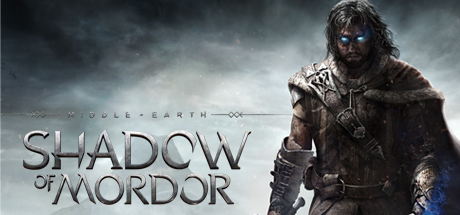
Middle-earth: Shadow of Mordor turned 12 this year, and with the news that its award-winning Nemesis System still sits behind a WB patent, the follow-ups keep not happening. Shadow of War used the same engine and expanded it, but nothing since has copied the specific loop of hunted orc captains remembering you across playthroughs.
We tested seven PC games that scratch different parts of the same itch: open-world traversal, physical combat, stealth kills, upgrade trees, and territory control. None of them are Nemesis clones, because none exist. What follows is what actually replaces Shadow of Mordor when you finish it and want more of the same energy.
Quick comparison
| Game | Best for | Nemesis-like? | Combat style | Starting price |
|---|---|---|---|---|
| Shadow of War | The direct sequel | Yes, expanded | Same as Mordor | About $20 |
| Assassin’s Creed Origins | Open-world scale | No | Hitbox action-RPG | About $30 |
| Ghost of Tsushima | Cinematic stealth | Partial (mythic tales) | Katana duels | About $50 |
| Sekiro | Precision combat | No | Deflect and posture | About $40 |
| Batman: Arkham Knight | Predator gameplay | No | Freeflow chains | About $20 |
| Mad Max | Melee and vehicle | No | Fury road brawling | About $20 |
| Horizon Zero Dawn | Ranged tactical hunts | No | Bow and traps | About $30 |
Why people are looking past Shadow of Mordor
Three specific things push players to look for alternatives, and they show up on every “what should I play after Mordor” thread.
The Nemesis System is patented. WB Games holds a patent on the specific procedural rival mechanic through 2036. No other studio can ship the same feature, so replacements have to approximate it with faction or bounty systems instead. Players who fell in love with orc captains coming back for revenge have no direct substitute.
Traversal peaks fast, then plateaus. Mordor’s Talion moves great, but the map is small and the upgrade curve tops out around the 25-hour mark. Players used to the density of an Ubisoft world or the scale of Ghost of Tsushima find Mordor short and repetitive on a second playthrough.
The story ends where you want more. The lore hooks between Sauron, Celebrimbor, and the rings never get resolved in-game. Shadow of War extends it but takes flak for microtransactions and pacing. Anyone who wants a self-contained action-adventure with a satisfying ending needs to look elsewhere.
The alternatives
Middle-earth: Shadow of War — The direct sequel with a bigger Nemesis System
Middle-earth: Shadow of War picks up where Mordor ended and turns the Nemesis System into a fortress-siege loop. You recruit orc captains, assign them to garrisons, and defend or attack keeps across five regions. Every captain has a name, a set of weaknesses, and a memory of what you did.
Post-launch patches stripped out the pay-to-win microtransactions that soured the original release. The current version on Steam is the definitive edition.
Where it falls short: The final act (Shadow Wars) stretches the fortress siege past its welcome. Some captain personality templates repeat within a single playthrough.
Pricing:
- Definitive Edition on Steam: about $20 on regular sale
- Full price: $50 base
- vs Shadow of Mordor: More content, same combat feel, expanded Nemesis
Migrating from Shadow of Mordor: Save data doesn’t carry over, but Talion’s move set is nearly identical. Skill points reset. About two hours to reach full-power gameplay.
Download: Steam
Bottom line: The obvious pick and the only real Nemesis experience left. Buy on sale, skip if you finished Mordor recently and want a change of scenery.
Assassin’s Creed Origins — Best for open-world action-RPG scale
Assassin’s Creed Origins replaced Assassin’s Creed’s tight parkour combat with a hitbox action-RPG system that feels much closer to Mordor. Bayek moves like Talion, chains through crowds like Talion, and unlocks a similar skill tree of stealth, combat, and ranged specializations.
Egypt is roughly 15 times the size of Mordor’s map, and the density of tombs, quests, and encounters keeps a 60-hour playthrough interesting.
Where it falls short: The hitbox combat divides Assassin’s Creed veterans; classic-style hidden-blade fans find it too RPG. No Nemesis-equivalent, though the Phylakes bounty hunters roam the map similarly.
Pricing:
- Regular price: about $30 on Steam
- Sale price: about $10
- vs Shadow of Mordor: Bigger, deeper, longer, no Nemesis
Migrating from Shadow of Mordor: Combat muscle memory transfers well. Parry timing is looser, dodge windows tighter. The horse replaces the caragor mount.
Download: Steam
Bottom line: Best pick if you want the biggest, longest, most content-rich alternative. Skip if you want tight 20-hour campaigns.
Ghost of Tsushima — Best cinematic stealth and combat
Ghost of Tsushima landed on PC in 2024 and pulls in the crowd who liked Mordor’s stealth kills and cinematic combat but wanted a more elegant setting. The Mongol camps play like Mordor’s uruk strongholds: scout, mark targets, choose stealth or storm the gate. Katana duels replace the chained melee, and the standoff mechanic rewards precision timing.
The Mythic Tales quest chain fills the Nemesis gap partly: you hunt named samurai and Mongol commanders across islands, each with their own arena and moveset.
Where it falls short: No procedural nemesis, so second-playthrough encounters play the same. Combat is slower than Mordor’s chain flow.
Pricing:
- Steam Director’s Cut: about $50 base, about $30 on sale
- vs Shadow of Mordor: Prettier, more focused, less mechanical depth
Migrating from Shadow of Mordor: Combat rhythm is different (deflect-focused). Stealth loop is nearly identical. Legends multiplayer mode adds a co-op replay layer.
Download: Steam
Bottom line: Pick this if you want Mordor’s stealth loop with a cinematic Kurosawa filter. Skip if you want faster combat.
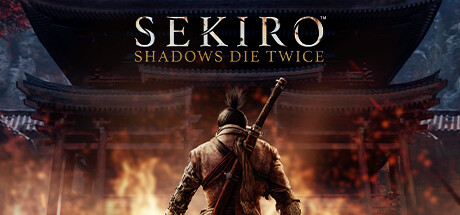
Sekiro: Shadows Die Twice — Best for players who mastered Mordor’s combat
Sekiro rewards the same rhythm skill Mordor’s advanced combat encourages. Deflect timing replaces parry timing, and the posture bar means every fight ends with either a stealth kill or a duel. From Software built the entire game around the “one perfect execution” moment Mordor gave you at the end of a chain.
The world is semi-open, split into interconnected zones you unlock as you progress. Grappling hook traversal replaces Talion’s wraith-teleport.
Where it falls short: Steep difficulty curve. No open-world traversal or upgrade grinding. Story is enigmatic rather than epic.
Pricing:
- Regular price: about $40 on Steam
- Sale price: about $20
- vs Shadow of Mordor: Tighter, harder, more focused
Migrating from Shadow of Mordor: Combat is different enough to feel new. Stealth-attack philosophy carries over directly. Upgrade tree is smaller and more meaningful.
Download: Steam
Bottom line: Best pick for players who want combat mastery over map exploration. Skip if you liked Mordor for the wandering, not the fighting.
Batman: Arkham Knight — Best for freeflow combat and predator sections
Batman: Arkham Knight is the game Mordor’s combat system copied. The freeflow chain, the counter timing, the takedown fluidity all come straight from Rocksteady’s Arkham engine. If you played Mordor and wondered “why does this feel so good,” Arkham Knight is the source.
Predator rooms (silent takedowns of armed enemies from vantage points) map directly to Mordor’s stronghold infiltrations.
Where it falls short: Batmobile sections split the fanbase and slow the pacing. Open-world density is thinner than modern games.
Pricing:
- Regular price: about $20 on Steam
- Sale price: about $5
- vs Shadow of Mordor: Same combat DNA, different setting
Migrating from Shadow of Mordor: Immediate. The combat feels familiar within 10 minutes.
Download: Steam
Bottom line: Perfect if you want more of Mordor’s combat feel in a Gotham setting. Skip if you tried the Arkham series before and bounced.
Mad Max — Best forgotten Avalanche gem with brutal melee
Mad Max from Avalanche Studios (Just Cause) reproduces Mordor’s melee and open-world formula in a wasteland setting, and it is meaningfully underrated. Chained brawler combat, stronghold takeovers, upgrade trees, and vehicle combat all wrap around a surprisingly tight George Miller adaptation.
The stronghold system is the closest a non-Mordor game gets to territory control: clear scarecrow camps, capture forts, upgrade with scrap.
Where it falls short: Repetitive by mid-game. Story sits behind the gameplay rather than driving it.
Pricing:
- Regular price: about $20 on Steam
- Sale price: about $4
- vs Shadow of Mordor: Similar structure, no supernatural elements, no Nemesis
Migrating from Shadow of Mordor: Combat feels 80% familiar. Vehicle sections replace mounted traversal.
Download: Steam
Bottom line: The dark horse pick. Anyone who missed Mad Max at launch should try it, especially at sale price.
Horizon Zero Dawn — Best for ranged tactical hunts
Horizon Zero Dawn trades melee for ranged tactical combat: bow, traps, elemental arrows, and pre-planning against machine enemies with visible weak points. Aloy’s traversal and open-world exploration replace Talion’s wraith-jump with a rope-and-climb system that flows well.
The game rewards scouting and setup the way Mordor rewards stealth kills: pick apart a Thunderjaw with tripwires and freeze arrows, or run into it swinging and die.
Where it falls short: Human combat is the weakest part; the game shines against machines. No stealth-kill chain flow like Mordor.
Pricing:
- Complete Edition on Steam: about $30 base, about $10 on sale
- vs Shadow of Mordor: Ranged focus instead of melee, more sci-fi than fantasy
Migrating from Shadow of Mordor: Combat philosophy is different (setup over reaction). Traversal and stealth carry over.
Download: Steam
Bottom line: Best pick if you want a genuinely different combat style with the same open-world exploration feel. Skip if melee chains were the reason you played Mordor.
How to choose
Pick Shadow of War if you loved the Nemesis System and want more of it. Nothing else has this mechanic and nothing else will until the patent expires in 2036.
Pick Assassin’s Creed Origins if scale matters most. Sixty hours of dense open world with combat that feels close enough.
Pick Ghost of Tsushima if the samurai aesthetic and cinematic pacing appeal. Best-looking option on this list.
Pick Sekiro if the combat mastery is what drew you in. Hardest of the seven, most rewarding.
Pick Batman: Arkham Knight for the shortest path to Mordor’s combat feel in a different setting.
Stay on Shadow of Mordor for a fresh start on New Game Plus with different tribe compositions. The Nemesis reshuffle is still the best in the genre.
FAQ
Is Shadow of War better than Shadow of Mordor? It is bigger and the Nemesis System is more developed, but Mordor is tighter and better paced. Play Mordor first, then Shadow of War if you want more of the same.
Which game has the closest thing to the Nemesis System? None. WB holds the patent through 2036. Shadow of War is the only game with a full Nemesis implementation. Assassin’s Creed Odyssey’s Mercenary System and Ghost of Tsushima’s Mythic Tales are the closest partial approximations.
Do these games run on Steam Deck? Middle-earth: Shadow of War is Verified. Ghost of Tsushima, Assassin’s Creed Origins, Sekiro, Mad Max, and Horizon Zero Dawn are Verified or Playable. Batman: Arkham Knight is Playable with tweaks. Check ProtonDB for the current status.
What is the cheapest Shadow of Mordor alternative? Mad Max and Batman: Arkham Knight both drop to under $5 on regular Steam sales. Both play well and both share the Mordor combat DNA.
Can I get a Shadow of Mordor experience on Xbox Cloud or GeForce Now? Both Shadow of Mordor and Shadow of War are available on Xbox Cloud Gaming with Game Pass Ultimate. GeForce Now streams your Steam library, so any of the seven games works there if you own them.