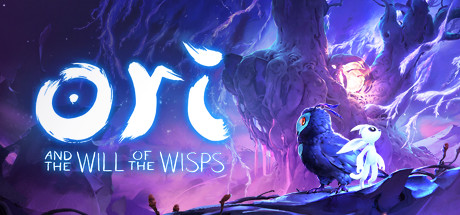
Six years after Ori and the Will of the Wisps closed out Moon Studios’ duology, Xbox fans are back to parsing leaks about a possible third entry. Polygon’s recent report on gamescom rumors is the latest reminder that nothing is confirmed, and the wait for official news could stretch well into next year. If the ending left a mark and you have already replayed both games twice, this list of Ori and the Will of the Wisps alternatives covers the metroidvania platformers built for that same itch: precise movement, a world worth exploring twice, and a story that earns its quiet moments.
None of these seven games are trying to be Ori. Each one solves the “what do I play next” problem differently, from Hollow Knight’s punishing scale to Celeste’s tighter, more personal climb. The comparison table below is a starting point, not the whole answer.
Quick comparison
| App | Best for | Free plan | Starting price | Standout feature |
|---|---|---|---|---|
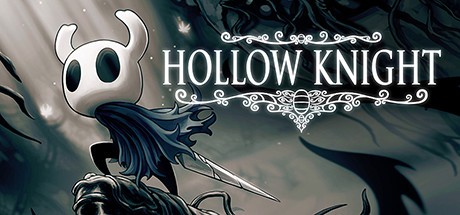
| Hollow Knight | Overall genre depth | No | Around $15 | 1,300 square-mile map with dense secrets |
| Ori and the Blind Forest: Definitive Edition | The predecessor, first | No | Around $20, frequently on sale | Same Moon Studios movement tech, lower stakes |
| Death’s Door | A shorter, sharper story | No | Around $20 | Souls-style combat in a 6 to 8 hour run |
| Blasphemous 2 | Combat-first fans | No | Around $30 | Weapon-switching combat with three distinct movesets |
| Prince of Persia: The Lost Crown | Parkour-focused traversal | No | Around $30 | Photo-mode markers for backtracking puzzles |
| Rain World | Something completely different | No | Around $20, frequently on sale | Survival-driven AI ecosystem instead of scripted enemies |
| Celeste | Precision platforming purists | No | Around $20 | Assist mode that adjusts difficulty without judgment |
Why Ori fans go looking for something new
The most obvious reason is time. Ori and the Will of the Wisps shipped in March 2020, and six years is a long gap for a series that built its audience on emotional payoff, not annual releases. Moon Studios spent that stretch on No Rest for the Wicked instead, and the recent leaks about a Saber Interactive-developed follow-up only confirm that nothing is close to launch.
The second reason is more specific. Wisps ended its story. There is no cliffhanger to chase, no open thread pulling players back for a third playthrough. That leaves fans wanting the same texture, tight air-control platforming, a hand-painted world, a score that does emotional heavy lifting, without the same characters or plot. A few readers just want a harder version: Wisps was gentler on death penalties than most of the genre, and some players are ready to graduate to something that punishes mistakes more directly.
The 7 best Ori and the Will of the Wisps alternatives
Hollow Knight — Best for overall genre depth
Hollow Knight is the game most “best metroidvania” lists lead with, and it earns the spot. Team Cherry built a hand-drawn insect kingdom with more connected rooms than almost any other game in the genre, and the combat, a simple nail-swing paired with collectible charms, stays interesting for 40-plus hours. Boss fights range from approachable to genuinely brutal, giving the game a difficulty ceiling Ori never aimed for.
Where it falls short: the map only reveals itself after buying a pin from an in-world merchant, and early navigation without it is disorienting on purpose. Backtracking for 100% completion demands real patience.
Pricing:
- No free tier
- One-time purchase, around $15
- vs Ori and the Will of the Wisps: cheaper at full price, and goes on sale often
Platforms: Windows, macOS, Linux
Download: Steam
Bottom line: pick this if exploration density and toughness matter more than a guided emotional arc.
Ori and the Blind Forest: Definitive Edition — Best for the predecessor, first
If somehow the first game got skipped, Ori and the Blind Forest: Definitive Edition is the obvious next stop. It is built on the same Moon Studios movement systems Wisps refined, with a smaller map, simpler combat, and a story that sets up everything Wisps pays off. Playing it after the sequel still works. The escape sequences and the Ginso Tree climb hold up as some of the best platforming set pieces in the genre.
Where it falls short: combat is thinner than Wisps, mostly limited to a single spirit flame attack for most of the run, and traversal abilities unlock more slowly.
Pricing:
- No free tier
- Around $20 at base price, frequently discounted to under $5
- vs Ori and the Will of the Wisps: cheaper, especially on sale
Platforms: Windows, macOS, Linux
Download: Steam
Bottom line: pick this only if it was somehow missed the first time around, since the story order matters.
Death’s Door — Best for a shorter, sharper story
Death’s Door trades Ori’s sprawling map for something tighter and more focused. Playing a crow who collects souls for the afterlife bureaucracy, the game leans on Souls-style stamina combat, dodge-rolling and parrying through three or four distinct realms in six to eight hours. The dry, deadpan writing gives it a different tone than Ori’s earnestness, but the level design rewards the same kind of careful exploration.
Where it falls short: the map is smaller than genre peers, so players looking for a 30-hour commitment will finish this one fast.
Pricing:
- No free tier
- Around $20, frequently discounted below $5
- vs Ori and the Will of the Wisps: comparable at full price, cheaper on sale
Platforms: Windows, macOS, Linux
Download: Steam
Bottom line: pick this for a complete, well-paced story that respects a weekend instead of a month.
Blasphemous 2 — Best for combat-first fans
Blasphemous 2 answers the “I want a harder fight” itch directly. The Penitent One now switches between three weapon types, each with its own moveset and puzzle-solving use outside combat, turning boss fights into genuine tests of pattern recognition. The religious-horror art direction gives the world a heavier, more grotesque mood than Ori’s forest setting, which is exactly the contrast some players want.
Where it falls short: the difficulty spikes hard against certain bosses, and platforming precision matters less here than combat timing, so pure movement fans may find it less satisfying than Ori’s air-dash chains.
Pricing:
- No free tier
- Around $30 at base price, often discounted to under $10
- vs Ori and the Will of the Wisps: pricier at launch, but sales bring it below Ori’s usual range
Platforms: Windows, macOS, Linux
Download: Steam
Bottom line: pick this if combat depth matters more than platforming, and darker tone is welcome.
Prince of Persia: The Lost Crown — Best for parkour-focused traversal
Prince of Persia: The Lost Crown leans hardest into movement of anything on this list, closer to Ori’s air-dash and wall-run chains than any other entry here. Ubisoft Montpellier built a genuinely useful photo-mode marker system for the map, letting players tag locked doors and puzzle rooms for later without relying on memory. Combat sits closer to a character-action game than Ori’s more contemplative style, with combo strings and a parry-focused rhythm.
Where it falls short: the Steam version requires a Ubisoft Connect account to launch, an extra step Ori never asks for. The main character’s dialogue is chattier than most players expect from the genre.
Pricing:
- No free tier
- Around $30, regularly discounted to the mid-teens
- vs Ori and the Will of the Wisps: pricier at launch, comparable once discounted
Platforms: Windows (via Steam, requires a linked Ubisoft account)
Download: Steam
Bottom line: pick this for the closest match to Ori’s traversal feel, if the Ubisoft account requirement is not a dealbreaker.
Rain World — Best for something completely different
Rain World is the deliberate outlier on this list. Instead of a hand-crafted story with checkpoints, it drops a small slugcat into an ecosystem where every creature behaves on its own AI logic, hunting, fleeing, and reacting to the player exactly like it would react to anything else in the food chain. There is no combat system in the traditional sense, only stealth, thrown objects, and knowing when to run. It is the game on this list least interested in comforting players.
Where it falls short: the learning curve is steep and often unforgiving, and the game does not explain its systems the way Ori’s tutorial sequences do. Expect real frustration in the first few hours.
Pricing:
- No free tier
- Around $20 at base price, frequently discounted to under $5
- vs Ori and the Will of the Wisps: comparable at full price, cheaper on sale
Platforms: Windows, macOS, Linux
Download: Steam
Bottom line: pick this only when ready to trade Ori’s guided hand-holding for a colder, more indifferent world.
Celeste — Best for precision platforming purists
Celeste strips out combat and metroidvania backtracking entirely to focus on the one thing Ori also does exceptionally well: movement. Every level is a tightly designed platforming puzzle built around a dash, a climb, and precise timing, and the assist mode lets players adjust game speed or reduce fall damage without any judgment attached. The story, about anxiety and self-doubt during a mountain climb, hits some of the same emotional notes Ori’s narrative does, just through dialogue instead of a wordless score.
Where it falls short: there is no exploration or item collection loop, so players who want a big connected map to wander will find this narrower than the rest of the list.
Pricing:
- No free tier
- Around $20, frequently discounted to under $5
- vs Ori and the Will of the Wisps: comparable at full price, cheaper on sale
Platforms: Windows, macOS, Linux
Download: Steam
Bottom line: pick this for the purest movement-and-emotion combination outside of Ori itself.
How to choose
Pick Hollow Knight for the biggest, densest world and the strongest reputation in the genre, it rewards the kind of patient exploration Ori fans already know how to do. Pick Ori and the Blind Forest: Definitive Edition first if the original was somehow skipped, since Wisps’ story only lands fully with that context. Pick Death’s Door or Celeste when a shorter, tighter experience matters more than a sprawling map, both respect a weekend instead of demanding a month.
Pick Blasphemous 2 if combat depth and difficulty matter more than platforming precision, and a darker tone is welcome. Pick Prince of Persia: The Lost Crown for the closest match to Ori’s exact traversal feel, air dashes, wall runs, and momentum chains, as long as the Ubisoft account requirement is not a dealbreaker. Pick Rain World only when ready for something that offers no comfort at all, an unscripted ecosystem instead of a guided story.
Stay on Ori and the Will of the Wisps, and replay it, if the goal is specifically that game’s mood: its exact color palette, its specific score, and Naru and Ku’s story. None of these alternatives replicate that combination. They each do one piece of it differently, which is the point of branching out while waiting for whatever Xbox announces next.
Frequently asked questions
Is Hollow Knight better than Ori and the Will of the Wisps?
They aim at different things. Hollow Knight has a bigger, more interconnected world and tougher combat, while Ori focuses more tightly on movement, story, and visual spectacle. Most players who love one enjoy the other for different reasons rather than picking a clear winner.
Is there a free alternative to Ori and the Will of the Wisps?
None of the seven games above have a free tier, all are one-time purchases on Steam. The closest thing to free access is waiting for a seasonal sale, when several of these titles (Rain World, Ori and the Blind Forest, Celeste) regularly drop below $5.
Which Ori alternative is the hardest?
Rain World and Hollow Knight both have steep learning curves, but for different reasons. Rain World punishes players through an unforgiving, unscripted ecosystem with no combat system to fall back on, while Hollow Knight’s difficulty comes from precise, pattern-based boss fights. Blasphemous 2 sits close behind both.
What alternative has a story closest to Ori's emotional tone?
Celeste comes closest, even without a wordless score or fantasy setting. Its story about anxiety and self-doubt during a mountain climb hits similar emotional beats to Ori’s narrative, just delivered through dialogue rather than visual storytelling.
Is Ori 3 confirmed?
No. As of August 2026, Xbox has not officially confirmed a third Ori game. Recent industry reports suggest a new entry is in development, reportedly by a Saber Interactive studio rather than original developer Moon Studios, but nothing has been announced publicly.
Can these alternatives be played on Steam Deck?
Yes. Hollow Knight, Death’s Door, Blasphemous 2, Rain World, and Celeste are all Steam Deck Verified. Prince of Persia: The Lost Crown runs on Steam Deck as well, though its Ubisoft Connect requirement adds an extra login step on first launch.