Polygon just made the case that the best Pokemon games to start with are still the classics from 20 years ago, and Diamond and Pearl got named directly. The physical/special split finally made sense, Sinnoh had a real winter aesthetic instead of a generic region template, and the Super Contest circuit gave trainers something to do beyond gyms. The catch for anyone reading that argument on a laptop is that Diamond and Pearl never got a PC release. Nintendo ships them for the DS, full stop, so PC players who want to try Sinnoh have to run a DS emulator and source the cartridge data themselves. If that setup sounds like more hassle than it’s worth, these seven Pokemon Diamond and Pearl alternatives on Steam give you the same turn-based monster-collecting loop without touching an emulator.
Quick comparison
| App | Best for | Free plan | Starting price | Standout feature |
|---|---|---|---|---|
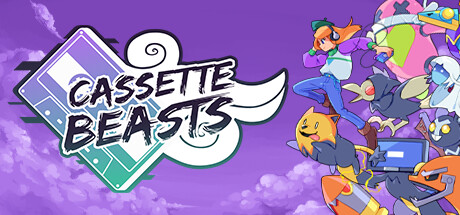
| Cassette Beasts | Fusion mechanics | No | $19.99 | Tape-fusion combat between two monsters |
| Coromon | Classic Gen 4 feel | No | $19.99 | Pixel-art region built like a love letter to Sinnoh |
| Monster Sanctuary | Exploration depth | No | $19.99 | Metroidvania map layered on monster taming |
| Nexomon: Extinction | Closest clone | No | $19.99 | 380-plus catchable monsters, story-first campaign |
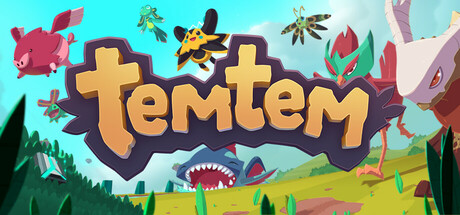
| TemTem | Co-op and trading | No | $44.99 | Full MMO with real-time trading and dojos |
| SolForge Fusion | Deckbuilding fans | Yes | Free-to-play | Card-fusion battles instead of turn-based fights |
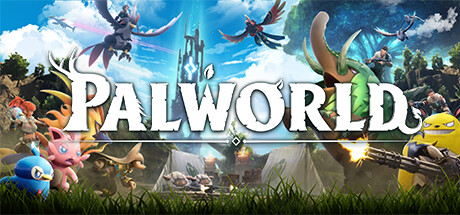
| Palworld | Survival crafting | No | $29.99 | Open-world base building alongside monster catching |
Why PC players want Pokemon Diamond and Pearl alternatives
There is no official way to play a mainline Pokemon game on Windows, macOS, or Linux. Every generation, Diamond and Pearl included, has been a Nintendo handheld or Switch exclusive, so the only path to Sinnoh on a desktop is a DS emulator like DeSmuME or MelonDS paired with cartridge data you have to source yourself. Both emulators run the games well once configured, but getting there means picking a build, matching save states correctly, and troubleshooting control mapping, none of which is a one-click install.
The 2021 Brilliant Diamond and Shining Pearl remakes did not solve this either. They stayed Switch-only, and reviewers at the time flagged flat overworld models and a downgraded Grand Underground compared to the original DS games’ Wi-Fi features. Meanwhile, the indie monster-collector scene on Steam has spent the last five years building games that borrow Pokemon’s structure directly: six-monster parties, type charts, badge-gated progression, and turn-based fights, all installable in one click with no emulator setup required.
The alternatives
Cassette Beasts
Cassette Beasts puts its own spin on the formula: instead of one monster per battle, you fuse with your partner monster mid-fight, mixing two creatures’ types and movesets into a single form. The overworld is an open island chain you explore on foot, by boat, and eventually by glider, with a soundtrack that leans hard into synth-pop instead of orchestral fanfare.
Where it falls short: the fusion system takes a few hours to click, and early fights can feel chaotic until you understand which type combos actually work.
Pricing: $19.99 flat, no subscription, no in-game purchases.
Migrating from Pokemon Diamond and Pearl: the type chart carries over almost directly (17 types, same strong/weak logic), parties cap at six, and gyms are replaced by area bosses that gate progress the same way badges did. Expect ten to fifteen hours to reach a comparable point to beating Sinnoh’s Elite Four.
Download: https://store.steampowered.com/app/1321440/
Bottom line: pick this if you want Pokemon vs Cassette Beasts to come down to which game does something new with the formula rather than which one copies it more faithfully.
Coromon
Coromon is the most direct throwback on this list. Its pixel-art towns, gym-style trials, and 120-plus roster of original monsters read like a deliberate homage to the Game Boy Advance and DS era, right down to a difficulty curve that expects you to think about type matchups instead of overleveling through them.
Where it falls short: the region is smaller than Sinnoh, and the postgame content is thinner than what Platinum eventually added to the Gen 4 games.
Pricing: $19.99 flat on Steam, no free tier.
Migrating from Pokemon Diamond and Pearl: same six-monster party cap, a type chart with clear elemental strengths and weaknesses, and a trial-badge structure that mirrors Sinnoh’s eight gyms almost one for one. A Diamond and Pearl save file does not transfer, but the mental model does immediately.
Download: https://store.steampowered.com/app/1218210/
Bottom line: Pokemon vs Coromon is the closest apples-to-apples comparison on this list, and it’s the pick if you specifically miss the Gen 4 pacing.
Monster Sanctuary
Monster Sanctuary trades Sinnoh’s open-world walking for a Metroidvania map full of double jumps, wall climbs, and hidden rooms that only open once a monster learns the right traversal skill. Battles are turn-based with a skill tree per monster instead of a fixed moveset, so two players’ versions of the same creature can play very differently by the postgame.
Where it falls short: the skill-tree depth means new players spend real time reading tooltips before a fight instead of just picking a move and hitting confirm.
Pricing: $19.99, no microtransactions.
Migrating from Pokemon Diamond and Pearl: parties still cap at three active monsters (smaller than Sinnoh’s six), but the elemental strong/weak logic transfers directly, and boss fights function like gym leaders gating access to new regions.
Download: https://store.steampowered.com/app/814370/
Bottom line: pick this if the platforming and exploration in a Metroidvania appeal to you as much as the monster fights do.
Nexomon: Extinction
Nexomon: Extinction is the closest thing to a licensed Pokemon clone that Steam actually sells. It has a story-driven campaign, 380-plus monsters to catch across multiple regions, and a tone that leans into humor and self-aware jokes about the genre it’s built on.
Where it falls short: combat animations and monster designs are noticeably less polished than the other games here, and some fans call the writing uneven in the back half.
Pricing: $19.99, occasional Steam sales bring it under $10.
Migrating from Pokemon Diamond and Pearl: party size, type advantages, and a gym-badge-style region structure all map over directly, which is exactly why this is the pick for players who want the least adjustment.
Download: https://store.steampowered.com/app/1257050/
Bottom line: Pokemon vs Nexomon: Extinction is less about which is better and more about which one you can pick up without relearning any systems.
TemTem
TemTem rebuilds the Sinnoh formula as a full MMO: real players fill the towns, trading happens in real time through a global market, and dojo battles work like PvP gyms that other trainers actually staff. It’s the only game on this list built around playing with other people from the start.
Where it falls short: the $44.99 price is more than double most entries here, and the MMO structure means some content, like competitive dojo queues, depends on server population.
Pricing: $44.99, no subscription on top of the base purchase.
Migrating from Pokemon Diamond and Pearl: the six-monster party cap, elemental type chart, and badge-gated region progression are all intact, but trading and battling other real trainers replaces most of the single-player structure Sinnoh was built around.
Download: https://store.steampowered.com/app/745920/
Bottom line: pick TemTem if the Wi-Fi trading and battling Diamond and Pearl offered in 2006 was your favorite part, not an afterthought.
SolForge Fusion
SolForge Fusion swaps turn-based creature fights for a card-based deckbuilder where monsters fuse into stronger cards as a match progresses. It’s free to download and play, with a rotating card pool and ranked ladders that update on a regular schedule.
Where it falls short: this is a deckbuilder first, not an open-world RPG, so there’s no region to walk around or badges to collect in the traditional sense.
Pricing: free-to-play, with optional cosmetic and card-pack purchases.
Migrating from Pokemon Diamond and Pearl: the fusion mechanic borrows directly from monster-evolution logic, and matches are still built around exploiting type-style advantages, but the six-monster party and gym structure don’t apply here.
Download: https://store.steampowered.com/app/2118810/
Bottom line: pick this only if you’re open to a genre shift, since Pokemon vs SolForge Fusion is really a comparison between an RPG and a card game that happens to share a monster-fusion idea.
Palworld
Palworld takes the monster-catching loop and drops it into an open-world survival-crafting game. You catch Pals, put them to work building and defending a base, and fight through a mix of story bosses and multiplayer raids, all in a much larger, more violent sandbox than Sinnoh ever was.
Where it falls short: the survival-crafting layer, base building, resource grinding, hunger and stamina systems, adds a lot of overhead if all you want is straightforward monster battles.
Pricing: $29.99, no subscription required.
Migrating from Pokemon Diamond and Pearl: Pals still have elemental types and strengths that mirror the classic chart, and catching mechanics feel familiar, but the survival and base-building systems have no equivalent in Sinnoh at all.
Download: https://store.steampowered.com/app/1623730/
Bottom line: pick Palworld if you want the monster-catching hook wrapped in a much bigger, more chaotic open-world game.
How to choose
Pick Coromon if you want the Gen 4 pacing and structure with the smallest learning curve. Pick Cassette Beasts if you want a game that respects the formula but does something genuinely new with it. Pick Nexomon: Extinction if you want the least friction moving from Sinnoh’s systems to a new game. Pick TemTem if trading and battling real players mattered as much to you as the single-player campaign did. Pick Monster Sanctuary if exploring a connected map matters more than an open world. Pick Palworld if you want the monster-catching hook inside a bigger survival game, and pick SolForge Fusion if you’re fine trading the RPG structure for a free deckbuilder.
Stay on Diamond and Pearl through an emulator if the exact Sinnoh map, the Super Contest circuit, or the original soundtrack are the specific things you’re after. None of these seven games recreate that region, and none of them try to.
FAQ
Is there an official PC version of Pokemon Diamond and Pearl?
No. Nintendo has never released a mainline Pokemon game for Windows, macOS, or Linux. Diamond and Pearl are DS exclusives, and the Brilliant Diamond and Shining Pearl remakes are Switch exclusives, so PC access requires a DS emulator such as DeSmuME or MelonDS.
What is the closest game to Pokemon on Steam?
Nexomon: Extinction and Coromon are the closest matches. Both use a six-monster party cap, a type-advantage chart similar to Pokemon’s, and gym or trial-badge progression through a connected region.
Is Cassette Beasts harder than Pokemon Diamond and Pearl?
The fusion mechanic adds a learning curve Sinnoh never had, since you’re managing two monsters’ combined movesets mid-battle instead of one. Once that clicks, the difficulty curve settles closer to a standard turn-based RPG.
Can you trade monsters the way Diamond and Pearl’s Wi-Fi system allowed?
TemTem is built for this. It runs as a full MMO with a real-time trading market and other players filling the world, which is the closest match to what Sinnoh’s Wi-Fi features offered in 2006.
What is the cheapest Pokemon Diamond and Pearl alternative?
SolForge Fusion is free-to-play. Among the paid options, Cassette Beasts, Coromon, Monster Sanctuary, and Nexomon: Extinction all sit at $19.99.
Do these alternatives require a DS emulator?
No. All seven games in this list are native Steam releases for Windows, macOS, or Linux. Emulation is only required if you want to play the original Diamond and Pearl cartridges directly.