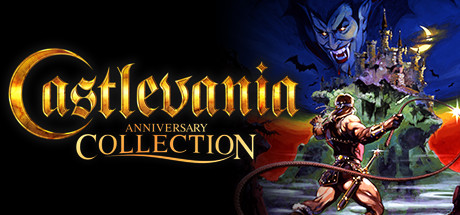
Konami just confirmed Castlevania: Belmont’s Curse. New story, Netflix-adjacent art direction, and a wait that has not been dated. The Anniversary Collection is the best way to replay the classics on PC right now, but the Symphony of the Night lineage lives on outside Konami too. Igarashi’s own spiritual sequel, a handful of grim gothic platformers, and a few genre-benders all take the whip-and-cross template somewhere new. These seven Castlevania alternatives all run on Windows, most run on Steam Deck, and a few also cover macOS and Linux.
Quick comparison
| Game | Best for | Runs on | Base price | Standout feature |
|---|---|---|---|---|
| Hollow Knight | Atmosphere and traversal | Windows, macOS, Linux | Around $15 | Dense interconnected world |
| Bloodstained: Ritual of the Night | The Igarashi lineage | Windows, macOS | Around $40 | Shard system straight from Aria of Sorrow |
| Blasphemous 2 | Gothic horror aesthetic | Windows, macOS, Linux | Around $30 | Three swappable weapons |
| Dead Cells | Roguelite metroidvania | Windows, macOS, Linux | Around $25 | Return to Castlevania DLC is a love letter |
| Ori and the Will of the Wisps | Cinematic platforming | Windows | Around $30 | Traversal that feels like a musical |
| Prince of Persia: The Lost Crown | Modern take on the genre | Windows | Around $50 | Best combat of 2024 |
| Salt and Sanctuary | Souls-style 2D | Windows, macOS, Linux | Around $18 | The exact SotN skill-tree feel with real weight |
What Castlevania actually gave us
Two threads run through every metroidvania that followed Symphony of the Night in 1997.
A map you learn as a physical place
Not a level select. Not a hub with door portals. A castle where the west wing tells us something we can only use in the east wing later. Every game below took that lesson.
RPG systems inside a 2D action game
Levels, gear drops, equipment stats, souls or shards. The reason SotN players still argue about optimal builds is that this is a rare 2D action game with a real character sheet.
The alternatives
Hollow Knight, best for atmosphere and traversal
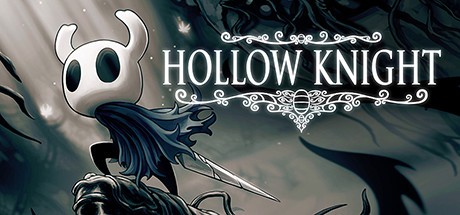
Hollow Knight is the metroidvania every publisher pointed at for the last eight years. Team Cherry built Hallownest as a single place with 165 rooms, a soundtrack that carries the mood, and boss fights whose difficulty landed the way Souls games landed. Silksong finally launched in early 2026 and Hollow Knight itself is still the entry point.
Where it falls short: No spoken dialogue and no in-game journal for quest tracking. First-time players get lost, which is intentional.
Pricing:
- Base game: around $15, on sale for around $7.
- No paid DLC. Four free content packs shipped over the years.
- vs Castlevania: cheaper by far, deeper single map, no combo-oriented combat.
Migrating from Castlevania: No transfer. The Charms system is the closest thing to Aria of Sorrow’s Souls.
Bottom line: The safest first pick if we have never left Konami’s castle before.
Bloodstained: Ritual of the Night, best for the Igarashi lineage
Bloodstained: Ritual of the Night was Koji Igarashi’s Kickstarter promise to keep making SotN-shaped games after Konami quietly stopped commissioning them. The Shard system is Aria of Sorrow reborn. Zangetsu Mode, Randomizer, and the free Chaos and Versus modes stretched the map long past release.
Where it falls short: Performance was rough at launch but has been patched. Some environments repeat.
Pricing:
- Base game: around $40, on sale for around $15.
- All post-launch content free.
- vs Castlevania: closer than a spiritual sequel usually gets. Igarashi built it.
Migrating from Castlevania: No transfer. Any Igarashi-era build pattern applies directly.
Bottom line: The intended answer to “what does SotN’s producer do next.” Non-negotiable for franchise fans.
Blasphemous 2, best for gothic horror aesthetic
Blasphemous 2 trades vampires for a Spanish religious-horror setting that keeps Castlevania’s grimness and adds pixel art detail nothing else in the genre matches. Three weapons rotate in real time. The map is denser than the first game.
Where it falls short: Story is delivered in short, cryptic passages. Combat requires precise parries; margin is thin.
Pricing:
- Base game: around $30, on sale for around $12.
- The Mea Culpa DLC extends the map by a full biome.
- vs Castlevania: same tonal register, tighter combat.
Migrating from Castlevania: No transfer. Learn to parry within the first hour.
Bottom line: The gothic pick. Play the first Blasphemous only if we want the roguelite side quest.
Dead Cells, best for roguelite metroidvania
Dead Cells rolls the metroidvania map into a run-based structure with permanent unlocks. The Return to Castlevania DLC is the reason it makes this list: a full third of a game set in Konami’s castle with licensed music. It is the closest an outside studio has come to making a Castlevania game with permission.
Where it falls short: Random layouts break the “map as physical place” contract. Roguelite loop is not for everyone.
Pricing:
- Base game: around $25.
- Return to Castlevania DLC around $10.
- Five expansions total.
- vs Castlevania: different structure, same feel.
Migrating from Castlevania: No transfer. Buy Return to Castlevania immediately.
Bottom line: The most fun we had with a Castlevania name attached in five years.
Ori and the Will of the Wisps, best for cinematic platforming
Ori and the Will of the Wisps is Moon Studios’ answer to Metroid. Traversal is the whole point. Every ability chains into the next in a way SotN’s Alucard eventually reached with wolf, mist, and bat forms. Combat is lighter than Castlevania but the platforming is unmatched.
Where it falls short: Emotional beats can feel telegraphed. Combat depth is limited.
Pricing:
- Base game: around $30, on sale for around $10.
- No paid DLC.
- vs Castlevania: brighter, faster, no whip.
Migrating from Castlevania: No transfer. Bring a controller.
Download: Steam · Microsoft Store
Bottom line: For the moments in Castlevania where movement itself felt like the reward.
Prince of Persia: The Lost Crown, best for a modern take
Prince of Persia: The Lost Crown is Ubisoft Montpellier’s return to the genre and it delivered the best combat of any 2024 metroidvania. Time powers open the map in ways that would fit a late-game SotN reverse castle. Full voice acting and a proper narrative spine.
Where it falls short: Ubisoft Connect. Some difficulty spikes. The bosses land harder than mid-bosses.
Pricing:
- Base game: around $50, on sale for around $25.
- Mask of Darkness DLC extends the story.
- vs Castlevania: bigger budget, better animation, still lineage-aware.
Migrating from Castlevania: No transfer. Turn the assist Off to keep the intended pace.
Download: Steam · Epic · Ubisoft Connect
Bottom line: The best-produced metroidvania of the last two years.
Salt and Sanctuary, best for Souls-style 2D
Salt and Sanctuary is what happens when a small team stares at Dark Souls and Symphony of the Night for a year and makes their combination in 2D. Skill tree from Path of Exile, weapon movesets from Souls, map layout from SotN.
Where it falls short: Visuals are muddy on higher resolutions. Combat is stiff by design.
Pricing:
- Base game: around $18, on sale for around $4.
- Sequel Salt and Sacrifice available separately.
- vs Castlevania: same skill tree density, harder pace.
Migrating from Castlevania: No transfer. The Duelist starter class is the closest fit to a Belmont.
Bottom line: The pick for anyone who kept saying SotN needed more Souls DNA.
How to choose
Pick Bloodstained: Ritual of the Night if we want the closest thing to a new Castlevania game.
Pick Hollow Knight if we have somehow avoided it until now.
Pick Blasphemous 2 if the mood is what pulled us in.
Pick Dead Cells for the licensed Return to Castlevania DLC alone.
Pick Ori and the Will of the Wisps if the traversal was our favorite part.
Pick Prince of Persia: The Lost Crown for the best combat on this list.
Pick Salt and Sanctuary if we want Souls DNA in 2D.
Stay on the Anniversary Collection or wait for Belmont’s Curse if the specific Castlevania art direction is why we play these games at all.
FAQ
What is the best Castlevania alternative on PC?
Bloodstained: Ritual of the Night, because Koji Igarashi built it as the direct spiritual sequel to Symphony of the Night.
Which of these run on Steam Deck?
Hollow Knight, Dead Cells, and Blasphemous 2 are Verified. Bloodstained and Salt and Sanctuary are Playable. Prince of Persia: The Lost Crown depends on Ubisoft Connect.
Is Bloodstained better than Castlevania: Belmont’s Curse?
Belmont’s Curse is not out yet. Bloodstained is the current gold standard for the Igarashi formula on PC.
What is the cheapest Castlevania alternative?
Salt and Sanctuary at around $4 on sale, followed by Hollow Knight at around $7.
Do any of these have the whip?
None literally, but Blasphemous 2’s Ruego Al Alba sword and Salt and Sanctuary’s flails are the closest weapon feel.