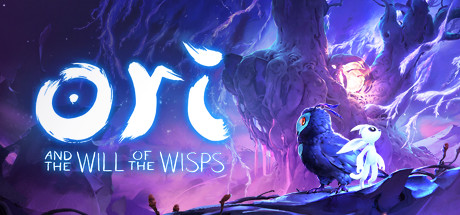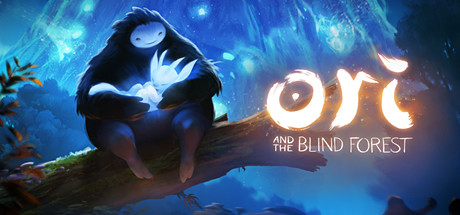
Saber Interactive has confirmed what most Ori fans already suspected: there is no Ori 3 in development. Ori and the Will of the Wisps closed out the story back in 2020, and with Moon Studios’ focus elsewhere and Saber now on record saying the sequel isn’t happening, the series looks finished for now. That leaves a gap for anyone who wants that specific mix of precise platforming, hand-painted forests, and a story that actually makes you feel something. This list rounds up the best Ori and the Blind Forest alternatives on PC right now, games that share the same DNA even if none of them are a direct clone.
Quick comparison
| App | Best for | Genre | Free trial | Price |
|---|---|---|---|---|
| Ori and the Blind Forest | The original benchmark | Metroidvania | Demo on Steam | Around $20 |
| Hollow Knight | Exploration depth and lore | Metroidvania | No | Around $15 |
| Celeste | Movement mastery | Platformer | Demo on Steam | Around $20 |
| Ender Lilies | Dark, painterly atmosphere | Metroidvania/soulslike | No | Around $25 |
| Prince of Persia: The Lost Crown | Big-budget polish | Metroidvania | No | Around $50 |
| GRIS | Emotional, low-stakes journey | Platformer/puzzle | No | Around $17 |
| Rain World | Punishing survival exploration | Metroidvania/survival | No | Around $20 |
| Inside | Short, atmospheric puzzle-platformer | Puzzle-platformer | No | Around $20 |
Why Ori fans need something new
Ori and the Blind Forest earned its following through a specific combination: hand-painted forests that looked like moving watercolor paintings, movement that felt like a dance once double jump and bash clicked into place, and a story willing to sit in grief before offering hope. Few games manage all three at once, which is why the wait for a follow-up has stretched on for years. Will of the Wisps closed the loop in 2020, and with Saber Interactive now saying publicly that a third game isn’t in the pipeline, there is no sequel on the horizon to fill that space.
That does not mean the well is dry. The genre Ori helped popularize on modern hardware, the art-driven metroidvania with tight platforming and real emotional stakes, has kept growing. Some of the games below chase the visual side of Ori, others chase the movement feel, and a couple aim squarely at the tone. None of them are replacements exactly, but each one scratches part of the itch while the series stays on pause.
The 7 metroidvanias worth playing
Hollow Knight
Hollow Knight is the game most Ori fans have already heard recommended a dozen times, and for good reason. Team Cherry built a hand-drawn underground kingdom so dense with secrets that players are still finding new paths years after launch, backed by combat that rewards patience over reflexes alone.
Where it falls short: the art style leans gothic and monochrome rather than Ori’s lush color palette, and the difficulty curve is steeper, especially in the later boss fights and optional areas.
Pricing:
- Base game: around $15
- Godmaster and other content packs included free as updates
- Occasional discounts bring it well under $10
How it compares to Ori: both games ask you to remember a sprawling map and backtrack with new abilities, but Hollow Knight trades Ori’s forgiving checkpoints for a harder, more deliberate pace. If Ori’s platforming was the highlight for you, expect a slower, combat-heavier rhythm here.
Download: Steam
Bottom line: the closest thing to a must-play companion piece for anyone who loved exploring Ori’s world at their own speed.
Celeste
Celeste strips the genre down to pure platforming and turns it into a study in precision. Every screen is a small puzzle of dashes and jumps, and the story about anxiety and self-doubt gives the climbing real weight instead of leaving it as a mechanical exercise.
Where it falls short: it is a linear platformer rather than an open metroidvania, so the exploration and ability-gated backtracking that define Ori are mostly absent here.
Pricing:
- Base game: around $20
- Farewell chapter included as a free update
- Frequently discounted during Steam sales
How it compares to Ori: Celeste is the closest match for players who fell for Ori’s movement specifically. The dash mechanic feels like a spiritual cousin to Ori’s bash, and the game demands the same kind of muscle memory Ori’s toughest sequences built.
Download: Steam
Bottom line: the best pick for anyone who remembers Ori’s platforming challenges more fondly than its exploration.
Ender Lilies
Ender Lilies pairs a washed-out, watercolor world with soulslike combat, casting the player as a young priestess purifying corrupted spirits. The tone sits closer to sorrow than wonder, but the visual craft rivals Ori’s own art direction.
Where it falls short: combat is deliberate and can feel slow next to Ori’s momentum-driven traversal, and the movement toolkit is comparatively limited until later chapters.
Pricing:
- Base game: around $25
- Occasionally bundled with its sequel at a discount
How it compares to Ori: both games use painterly, muted environments to carry emotional weight, and both build toward moments of quiet catharsis. Ender Lilies asks for more patience in combat, where Ori asked for more precision in movement.
Download: Steam
Bottom line: the pick for players who valued Ori’s mood and visual storytelling above its platforming.
Prince of Persia: The Lost Crown
Ubisoft’s return to the Prince of Persia name is a full-scale, big-budget metroidvania with sharp combat, generous traversal tools, and one of the best in-game map systems the genre has produced. It is the most recent major release on this list and shows a AAA studio investing seriously in the format.
Where it falls short: the visual style is more stylized illustration than Ori’s painterly forests, and the tone stays lighter and more action-focused throughout rather than leaning into melancholy.
Pricing:
- Base game: around $50
- Deluxe edition with extra content available at a higher tier
How it compares to Ori: the traversal abilities, wall runs, double jumps, time manipulation, echo Ori’s ability-gated map design closely, though the combat here is far more central to the experience than it ever was in Ori.
Download: Steam
Bottom line: the pick for players who want current-generation production values and don’t mind combat taking the lead over platforming.
GRIS
GRIS follows a young woman moving through grief, rendered as a shifting, color-draining world that regains its palette as she works through loss. There is no combat and no fail state, just exploration, light puzzles, and platforming set to a striking watercolor backdrop.
Where it falls short: the lack of stakes or challenge means it won’t satisfy anyone who wants Ori’s tighter platforming tests or its sense of danger.
Pricing:
- Base game: around $17
- Regularly discounted during seasonal sales
How it compares to Ori: GRIS shares Ori’s instinct for telling an emotional story without much dialogue, using color and environment instead. It is gentler and shorter, closer to an interactive art piece than a traditional metroidvania.
Download: Steam
Bottom line: ideal for players who want Ori’s emotional core and visual beauty without any difficulty barrier.
Rain World
Rain World drops players into a decaying ecosystem as a small, vulnerable slugcat trying to survive predators, weather cycles, and a food chain that does not care about the player’s convenience. It is one of the most distinctive and unforgiving games in the genre.
Where it falls short: the difficulty and opaque systems are a significant departure from Ori’s more guided, forgiving design, and the learning curve turns some players away early.
Pricing:
- Base game: around $20
- Downpour expansion available separately
How it compares to Ori: both games place a small, fragile creature inside a living, hostile world, but Rain World removes almost every safety net Ori provided. Players who wanted Ori to push back harder will find that here in abundance.
Download: Steam
Bottom line: the pick for players who found Ori too gentle and want a genuine survival challenge in a similarly living world.
Inside
Inside is a short, wordless puzzle-platformer from Playdead that trades color for a bleak, monochrome industrial world. The game is built around atmosphere and unease rather than exploration, unfolding as a single tense march forward.
Where it falls short: there is no open map, no ability progression, and no backtracking, so players looking for a metroidvania structure similar to Ori will find this closer to a linear cinematic experience.
Pricing:
- Base game: around $20
- Frequently bundled with Playdead’s earlier title Limbo
How it compares to Ori: Inside matches Ori’s commitment to visual storytelling without dialogue, but swaps warmth for dread. Anyone drawn to Ori’s quieter, more contemplative stretches will recognize the same instinct here, just aimed at unease instead of wonder.
Download: Steam
Bottom line: a tight, atmospheric pick for an evening session rather than a long-term exploration project.
How to pick the right one
If Ori’s platforming challenges were the highlight, start with Celeste. Its dash-based movement rewards the same precision Ori demanded and the difficulty curve stays fair throughout. Players who loved getting lost in Ori’s map and slowly piecing together its secrets should go straight to Hollow Knight, which offers the deepest world on this list. Anyone who values mood and visual craft over challenge will get more out of GRIS or Ender Lilies, depending on whether a gentler or a heavier tone is preferred. Fans who want a modern, well-funded successor with strong production values should look at Prince of Persia: The Lost Crown, currently the most feature-complete metroidvania released recently. Players who found Ori too forgiving and want real stakes should try Rain World, while anyone after a shorter, more contained experience will be satisfied by Inside in a single sitting. There is no wrong pick here, only a question of which part of Ori mattered most.
FAQ
Is Hollow Knight harder than Ori?
Generally yes. Hollow Knight’s combat asks for more precision and patience, and its bosses punish mistakes more severely than most of Ori’s platforming sequences did. Exploration-wise, both games reward careful map memorization, but Hollow Knight offers fewer safety nets once a fight begins.
Which is the cheapest Ori alternative?
Hollow Knight typically sits at the lowest price point on this list and often drops further during sales, making it the best value entry regardless of budget. GRIS and Rain World also tend to go on frequent discount.
Is Celeste a metroidvania?
Not in the traditional sense. Celeste is a linear platformer organized into distinct chapters rather than an interconnected map with ability-gated backtracking. Its appeal for Ori fans comes from the movement and precision, not the exploration structure.
Will there ever be an Ori 3?
Saber Interactive has stated publicly that it is not making a third Ori game, and there has been no announcement from Moon Studios or Microsoft about a sequel in development. Nothing rules out a future project entirely, but there is no confirmed plan for one right now.
What game is closest to Ori in art style?
Ender Lilies and GRIS both come closest, each using a painterly, muted palette to carry emotional weight the way Ori did. Prince of Persia: The Lost Crown shares less of the watercolor look but matches Ori’s ability-driven traversal design closely.