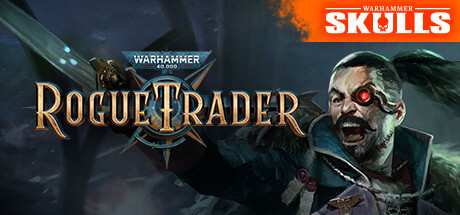
The Polygon piece on the Rogue Trader Switch 2 update called it “2023’s most overlooked RPG,” and the Steam player count still spikes every time Owlcat drops a patch. But 100-plus hours of dialogue-heavy CRPG is a specific commitment, and the reception has been genuinely split: some players adore the Void Shadow expansion, others bounced off the Origins rebalance. Here are seven Warhammer 40K: Rogue Trader alternatives on PC for when the appetite is real but the exact game is not.
Why people look past Rogue Trader in 2026
The r/RogueTraderCRPG and Steam forum threads keep circling the same friction points:
- Length. A single completionist run passes 150 hours. Owlcat games do not shorten with sequels.
- Bug tail. Two years post-launch, the Void Shadow DLC still had questlines that could dead-end. Patches help; they do not reset the concern.
- Combat pacing. The turn-based tactical layer is deep, but every combat encounter takes real time. Some players want the story without the ten-minute skirmishes.
- 40K knowledge floor. New players hit lore terms with no glossary. The intro assumes at least a codex-level understanding of the Imperium.
- Origins overhaul. The Origins update changed how starting characters roll. Long-time fans hit a game that plays differently from the one they finished.
Every alternative below solves at least one of those and swaps in a trade-off of its own.
Quick comparison table
| Game | Best for | Free plan | Starting price | Standout feature |
|---|---|---|---|---|
| Baldur’s Gate 3 | Modern D&D-flavoured CRPG | Demo | $59.99 | Cinematic dialogue, reactive party |
| Pathfinder: Wrath of the Righteous | Deeper Owlcat CRPG | Demo | $39.99 | Mythic paths, huge build depth |
| Divinity: Original Sin 2 | Co-op tactics | Demo | $44.99 | Physics-driven combat, four-player |
| Warhammer 40K: Chaos Gate - Daemonhunters | 40K tactics, shorter | No | $44.99 | Grey Knights, XCOM-style |
| Pillars of Eternity II: Deadfire | Story-first RPG | No | $29.99 | Real-time-with-pause, deep lore |
| Wasteland 3 | Post-apoc turn-based | No | $39.99 | Two-squad tactics, dark humor |
| Solasta: Crown of the Magister | Faithful 5e ruleset | Demo | $39.99 | Verticality, official 5e rules |
The alternatives
Baldur's Gate 3 — Best overall CRPG in 2026
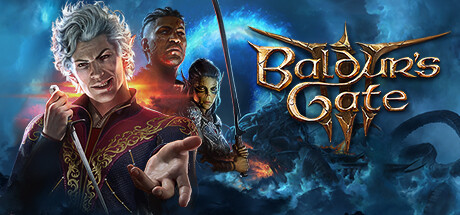
Baldur’s Gate 3 is the CRPG that pulled the genre back into the mainstream. Larian’s dialogue system is more cinematic than Owlcat’s static portraits, party reactivity is genuinely tracked, and the D&D 5e ruleset lands closer to accessible than 40K’s Only War mechanics.
Where it falls short: Act 3 has known pacing dips. Not 40K — the Imperial-guilt aesthetic is not on offer.
Pricing:
- Free: Demo build available.
- Paid: $59.99 base, digital deluxe adds cosmetics.
- vs Rogue Trader: Similar length, better production values, more forgiving learning curve.
Migrating from Rogue Trader: Party mechanics and origin backgrounds map cleanly. Ability rotations feel less crunchy.
Download: Steam
Bottom line: Pick BG3 if the appeal was the party dynamics and dialogue, not the setting.
Pathfinder: Wrath of the Righteous — Best for Owlcat depth fans
Pathfinder: Wrath of the Righteous is the Owlcat CRPG that put the studio on the map before Rogue Trader. Mythic paths change the story arc more than any 40K origin, and the Pathfinder 1e ruleset gives more build depth than Rogue Trader’s Void Shadow classes.
Where it falls short: The Kingmaker-style crusade management divides players. Difficulty spikes are real and the tutorial is thin.
Pricing:
- Free: Prologue is free.
- Paid: $39.99, seasonal sales dip to $10.
- vs Rogue Trader: Longer, crunchier, older UI. Similar Owlcat rhythm.
Migrating from Rogue Trader: Systems literacy transfers. Combat feels familiar. Fantasy setting is the swap.
Download: Steam
Bottom line: Pick Wrath if you loved the systems in Rogue Trader and can stomach fantasy over grimdark.
Divinity: Original Sin 2 — Best for tactical co-op
Divinity: Original Sin 2 is the co-op CRPG bar. Environmental combat is the whole pitch: oil pools ignite, blood freezes, and every fight is a physics puzzle. Four-player co-op is genuinely supported end to end.
Where it falls short: Combat can feel gimmicky if the party leans into environmental effects too hard. Story is uneven across acts.
Pricing:
- Free: Demo build available.
- Paid: $44.99, Definitive Edition is the default.
- vs Rogue Trader: Shorter, more playful, faster combat, no solo-friendly campaign framing.
Migrating from Rogue Trader: Turn-based combat and party positioning transfer directly. Tone shifts from grimdark to Larian-baroque.
Download: Steam
Bottom line: Pick DOS2 if the crew wants to co-op tactics and can accept a lighter tone.
Warhammer 40K: Chaos Gate - Daemonhunters — Best for a shorter 40K fix
Chaos Gate: Daemonhunters is the game to reach for when the answer is 40K but not another 150 hours. It plays as an XCOM-style tactics game with Grey Knights, and campaign length lands around 30 hours. The Duty Eternal expansion adds a Dreadnought and a new campaign layer that keeps the loop honest.
Where it falls short: No CRPG dialogue trees. Party is fixed to a small Grey Knight roster. No branching origins.
Pricing:
- Free: No.
- Paid: $44.99, expansions and DLC sold separately.
- vs Rogue Trader: Much shorter, tactical focus without CRPG scope. Same lore.
Migrating from Rogue Trader: 40K vocabulary transfers. Combat is tighter and each mission is standalone.
Download: Steam
Bottom line: Pick Chaos Gate if the appeal was the setting more than the CRPG genre.
Pillars of Eternity II: Deadfire — Best for story-first RPG fans
Pillars of Eternity II: Deadfire trades turn-based for real-time-with-pause and offers one of the tightest writing rooms in the genre. Obsidian’s dialogue reactivity rivals Larian’s, and the ship-battle sub-loop adds variety without dominating.
Where it falls short: Real-time-with-pause is a divide. Some Rogue Trader fans hate the removal of clean turn structure. Sold at a lower price point but the writing volume is still meaningful.
Pricing:
- Free: No.
- Paid: $29.99, Ultimate Edition around $60.
- vs Rogue Trader: Shorter, tighter, real-time-with-pause combat.
Migrating from Rogue Trader: Party building and dialogue reactivity feel close. Combat rhythm is the main adjustment.
Download: Steam
Bottom line: Pick Deadfire if the appeal was the story and party writing, and turn-based is negotiable.
Wasteland 3 — Best for post-apoc turn-based
Wasteland 3 is inXile’s tight turn-based CRPG in a post-nuclear Colorado. Two-squad tactics, brutal decisions with real consequences, and Steam’s most underrated dark-humor script. Length lands around 60 hours for a completionist run — half of Rogue Trader.
Where it falls short: Character builds are less deep than Owlcat games. The vehicle sub-system is thin.
Pricing:
- Free: No.
- Paid: $39.99 base, Colorado Collection with DLC around $55.
- vs Rogue Trader: Shorter, faster, colder tone.
Migrating from Rogue Trader: Turn-based combat and party choices port over. Setting is post-apoc irony instead of Imperial grief.
Download: Steam
Bottom line: Pick Wasteland 3 if the Owlcat length was a problem and post-apoc bites.
Solasta: Crown of the Magister — Best for a strict 5e ruleset
Solasta: Crown of the Magister is the CRPG that ports D&D 5e’s rulebook the most faithfully. Verticality in combat is a first-class citizen — the only 5e CRPG that lets a caster climb a wall and drop Fireball down a shaft. Custom campaigns extend the runtime.
Where it falls short: Voice acting and production values are visibly smaller-team. The campaign is shorter and less reactive than BG3.
Pricing:
- Free: Demo available.
- Paid: $39.99, Palace of Ice and Lost Valley DLC add campaigns.
- vs Rogue Trader: Much shorter, faithful ruleset, smaller writing scope.
Migrating from Rogue Trader: Tactical combat mindset transfers. Character build depth is 5e, not Void Shadow — simpler on paper.
Download: Steam
Bottom line: Pick Solasta if strict 5e is the appeal and BG3’s price tag is the objection.
How to choose the right one
- Pick Baldur’s Gate 3 if the CRPG bar is what pulled you into Rogue Trader.
- Pick Pathfinder: Wrath of the Righteous if the Owlcat systems were the highlight and fantasy is fine.
- Pick Divinity: Original Sin 2 if the party wants to co-op with three friends.
- Pick Chaos Gate: Daemonhunters if 40K is the setting you want and 30 hours is enough.
- Pick Pillars of Eternity II if story reactivity mattered more than combat depth.
- Pick Wasteland 3 if 150 hours was too much and post-apoc pulls you.
- Pick Solasta if strict D&D 5e rules are the whole appeal.
- Stay on Rogue Trader if the Void Shadow expansion is on your list and the Origins rebalance did not put you off.
FAQ
Is Baldur’s Gate 3 better than Rogue Trader?
Better production values and easier onboarding. Rogue Trader has more setting-specific depth if you already love 40K. Different games in the same genre.
Which Rogue Trader alternative is shortest?
Chaos Gate: Daemonhunters at around 30 hours, and Solasta base campaign at around 40. Everything else on this list is 60 hours plus.
Can I run these on Steam Deck?
BG3, DOS2, and Chaos Gate are Verified. Wrath of the Righteous, Pillars II, and Wasteland 3 are Playable. Solasta runs but with legibility caveats on smaller UI text.
Is Pathfinder: Wrath of the Righteous made by the same studio as Rogue Trader?
Yes. Owlcat Games made both. Wrath of the Righteous is the older, longer, and more mechanically dense of the two.
What is the closest game to Rogue Trader for people who liked the 40K setting?
Chaos Gate: Daemonhunters for the tactical side, and Warhammer 40K: Space Marine 2 or Darktide for the action angle if you want to leave the CRPG genre entirely.