Zenonia started life on feature phones in 2008, when Gamevil squeezed a full action RPG onto hardware that could barely run a ringtone editor. It worked because the combat borrowed Zelda’s rhythm, real-time swings, dodges, and item puzzles, while the character build borrowed Final Fantasy’s job classes, skill trees, and gear grinding. That combination made it one of the most replayed mobile RPGs of its era, and it is why a faithful Steam restoration of the original game landed with a wave of nostalgia in 2026 instead of a shrug.
Not everyone wants to play a restored 2008 phone game on a modern gaming PC, though. This article covers seven Zenonia alternatives on PC that scratch the same itch: top-down or side-view action combat, RPG progression, and a retro pixel-art look that never overstays its welcome. We tested pricing, platform support, and combat feel across all seven so you know which one to install first.
Quick comparison
| Game | Best for | Platforms | Price | Standout feature |
|---|---|---|---|---|
| CrossCode | Closest overall match to Zenonia | Windows, macOS, Linux | $24.99 | Real-time combat fused with Zelda-style dungeon puzzles |
| Blossom Tales: The Sleeping King | Budget-friendly, most literal Zelda clone | Windows | $14.99 | Handwritten storybook framing device |
| Chained Echoes | JRPG job classes and party building | Windows, macOS, Linux | $24.99 | Overdrive combat meter borrowed from SNES-era RPGs |
| Death’s Door | Boss-focused action with tighter combat | Windows | $19.99 | Souls-lite stamina management on a crow protagonist |
| TUNIC | Exploration and hidden-language mystery | Windows, macOS | $29.99 | An in-game manual you piece together yourself |
| Titan Souls | One arrow, one shot, pure boss rush | Windows, macOS | $14.99 | Every fight is a single-hit puzzle against a giant |
| Ittle Dew 2+ | Comedic, puzzle-forward dungeon crawling | Windows, Linux | $19.99 | Solve every dungeon in any order, sequence-break freely |
Why players want games like Zenonia
Zenonia’s appeal was never just nostalgia. It solved a real design problem: how do you make an RPG feel weighty on a small screen with limited input? The answer was tight, readable combat, short dungeon loops, and constant small rewards, a new skill point, a rare drop, a class change. That structure translates well to PC because it rewards short sessions just as well as long ones.
Players searching for alternatives usually want one of three things. Some want the Zelda half: real-time swings, item-based puzzles, and dungeons you can map in your head. Others want the Final Fantasy half: job classes, stat allocation, and a party or build that grows with the story. A smaller group wants both at once, which is a narrower field, but it is exactly where CrossCode and Chained Echoes sit.
Price matters too. Zenonia sells for under $10 on Steam, and a lot of the audience discovering it there is used to mobile pricing. The list below spans budget picks under $15 through full-price releases near $30, so there is a fit whether you want to spend nothing extra or treat this as a proper PC purchase.
The seven Zenonia alternatives on PC
CrossCode: best for closest overall match
CrossCode is the alternative that most directly answers “what plays like Zenonia on a bigger screen.” It is a top-down action RPG with real-time combat, a skill tree with multiple build paths, and dungeons built around item-based puzzles the way Zelda’s are. Combat has real physics behind it, projectiles bounce, dashes have momentum, and bosses require pattern reading rather than stat-checking.
Where it falls short: The framing story is set inside a fictional MMO, and the meta-narrative around that takes a while to click. Early hours are slower than the combat suggests.
Pricing: CrossCode costs $24.99 on Steam with no subscription and no in-game purchases. Compared to Zenonia, it is roughly two and a half times the price, but it runs on Windows, macOS, and Linux, where Zenonia is Windows only.
Compared to Zenonia: CrossCode vs Zenonia comes down to scale. Zenonia’s dungeons are short and mobile-sized; CrossCode’s are longer, denser, and built for a keyboard or controller session rather than a phone break.
Bottom line: Pick CrossCode if you want Zenonia’s combat-plus-puzzle formula taken to its full PC-scale conclusion.
Blossom Tales: The Sleeping King: best for budget-friendly Zelda-style combat
Blossom Tales: The Sleeping King frames itself as a grandfather telling his grandchildren a bedtime story, which gives it license to be as straightforwardly Zelda-like as possible: dungeons with keys and boss items, a hookshot equivalent, and top-down sword combat with clean hitboxes. It is the most literal match to Zenonia’s original combat feel on this list.
Where it falls short: The RPG systems are thin. There is no job class, no skill tree, and gear upgrades are minor. If the Final Fantasy half of Zenonia’s appeal matters to you, this game does not deliver it.
Pricing: Blossom Tales: The Sleeping King runs $14.99 on Steam, close to Zenonia’s own price point, and it goes on sale frequently for under $10.
Compared to Zenonia: Blossom Tales vs Zenonia is a trade: you get sharper, more polished Zelda-style combat, but you lose the class and stat progression that made Zenonia feel like an RPG rather than an action-adventure game.
Download: Steam
Bottom line: Pick this one if the combat rhythm is what you miss most and you are not attached to leveling a build.
Chained Echoes: best for JRPG job classes and party building
Chained Echoes leans into the Final Fantasy half of Zenonia’s DNA. It is a turn-based JRPG with a large playable party, a class and equipment system with real depth, and an original Overdrive mechanic that rewards keeping your turn meter in a sweet spot rather than mashing the strongest attack every turn. The 16-bit visual style will feel immediately familiar to anyone who grew up on Zenonia’s era of sprite work.
Where it falls short: Combat is turn-based rather than real-time, so if Zenonia’s Zelda-style swordplay is what you are chasing, this will feel like a different genre despite the shared visual language.
Pricing: Chained Echoes costs $24.99 on Steam, with regular discounts down to around $10.
Compared to Zenonia: Chained Echoes vs Zenonia swaps real-time combat for tactical turn-based fights, but keeps the job classes, gear grinding, and party growth that gave Zenonia its RPG backbone.
Bottom line: Pick this if you want the character-building side of Zenonia taken further, and you do not mind trading real-time swings for turn order.
Death's Door: best for tighter, boss-focused combat
Death’s Door puts you in control of a small crow collecting souls for the afterlife bureaucracy, and its combat is more deliberate than Zenonia’s, with a stamina meter, precise dodge windows, and bosses that demand you learn their patterns before you win. It is shorter than most games here, usually a six to eight hour run, but every hour is dense.
Where it falls short: There is almost no character build system, no job classes, no meaningful gear tree. It is closer to a Souls-lite action game than an action RPG.
Pricing: Death’s Door is $19.99 on Steam with no discounts needed to justify the length.
Compared to Zenonia: Death’s Door vs Zenonia keeps the real-time swordplay but drops the RPG progression almost entirely, trading breadth for a tighter, harder combat loop.
Download: Steam
Bottom line: Pick Death’s Door if you want Zenonia’s combat feel sharpened into something closer to a boss-rush action game.
TUNIC: best for exploration and hidden-language mystery
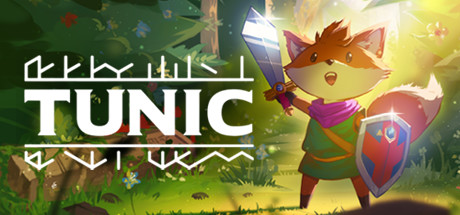
TUNIC casts you as a small fox exploring a world with no in-game text you can read, forcing you to piece together an instruction manual written in an invented language as you go. Combat is real-time and Zelda-inspired on the surface, but the game’s real hook is the sense of discovery: secrets stacked on secrets, some of which reframe the entire game once found.
Where it falls short: The learning curve is steep by design. Players who want clear objectives and readable UI will find TUNIC’s opacity frustrating rather than charming.
Pricing: TUNIC is $29.99 on Steam, the most expensive game on this list, though it is a longer and denser experience than its runtime suggests.
Compared to Zenonia: TUNIC vs Zenonia keeps the top-down sword combat but replaces Zenonia’s straightforward class progression with a mystery-box structure built around exploration and secrets.
Download: Steam
Bottom line: Pick TUNIC if you want Zenonia’s combat wrapped in a much more ambitious puzzle-box world, and you have patience for a game that never explains itself.
Titan Souls: best for pure boss-rush minimalism
Titan Souls strips the formula down to almost nothing: one arrow, one hit kills you, one hit kills most bosses, and every fight is a puzzle about finding the giant’s weak point before it finds you. There is no leveling, no gear, no dungeon crawling between fights, just a sequence of boss encounters.
Where it falls short: There is no RPG progression at all, and the game’s difficulty is unforgiving from the first fight. This is the furthest departure from Zenonia’s structure on this list.
Pricing: Titan Souls costs $14.99 on Steam and is frequently discounted well below that.
Compared to Zenonia: Titan Souls vs Zenonia keeps only the boss-fighting DNA, cutting every system Zenonia used to pace and reward the player between fights.
Download: Steam
Bottom line: Pick this one if what you actually miss about Zenonia is the boss fights, and you want that distilled into something short and brutal.
Ittle Dew 2+: best for comedic, puzzle-forward dungeon crawling
Ittle Dew 2+ hands you a small toolkit, a few items and abilities, and lets you tackle every dungeon in whatever order you want, including sequence-breaking your way past content the designers assumed you would visit later. The tone is comedic throughout, with a chatty narrator poking fun at genre conventions Zenonia played completely straight.
Where it falls short: Combat is the weakest part of the package. Enemies are mostly obstacles between puzzles rather than real threats, so if you came for Zenonia’s swordplay specifically, this will feel light.
Pricing: Ittle Dew 2+ is $19.99 on Steam and includes a free “Dream World” content update on top of the base game.
Compared to Zenonia: Ittle Dew 2+ vs Zenonia trades linear dungeon progression and combat weight for open-ended puzzle design and a much lighter, funnier tone.
Download: Steam
Bottom line: Pick this if puzzles and freedom to explore out of order matter more to you than combat depth.
How to choose
Pick CrossCode if you want the single closest match to Zenonia’s combat-plus-progression formula, and you are fine spending more to get it on a bigger canvas with three-platform support.
Pick Chained Echoes if the job classes and party building were the part of Zenonia you actually cared about, and you do not mind turn-based combat replacing real-time swordplay.
Pick Blossom Tales: The Sleeping King if you want Zenonia’s Zelda-style combat rhythm at a similar price point, without needing deep RPG systems.
Pick Death’s Door or TUNIC if you want the combat feel sharpened or wrapped in a bigger world respectively, and you are comfortable with less traditional RPG progression.
Pick Titan Souls if boss fights are the memory you are chasing and nothing else about the formula matters much to you.
Pick Ittle Dew 2+ if puzzles and open-ended dungeon order appeal more than combat weight.
Stay with Zenonia 1 itself if you specifically want the original 2008 game restored faithfully, since none of these alternatives are a direct remake, they are PC games built independently that happen to share its influences.
FAQ
Is Zenonia 1 on Steam worth playing in 2026? Yes, if you want the original 2008 mobile RPG experience rather than a modernized version. It has been restored rather than remade, so expect period-accurate pacing and systems, not a full redesign.
What is the closest PC game to Zenonia’s combat style? CrossCode is the closest match. It combines real-time, physics-based combat with a skill tree and puzzle-driven dungeons, which mirrors Zenonia’s blend of Zelda-style action and RPG progression more directly than anything else on this list.
Is there a free alternative to Zenonia on PC? None of the seven games here are free, though several go on deep discount regularly. Titan Souls and Blossom Tales: The Sleeping King are the cheapest starting points at $14.99, and both drop well below $10 during Steam sales.
Can I play these games on Mac or Linux? CrossCode and Chained Echoes both support Windows, macOS, and Linux natively. Ittle Dew 2+ runs on Linux. TUNIC and Titan Souls support macOS alongside Windows. Zenonia 1 itself, Blossom Tales, and Death’s Door are Windows only.
What made Zenonia different from other mobile RPGs at the time? It combined real-time, Zelda-style combat with a Final Fantasy-style job class and stat system on hardware that mostly ran simple puzzle games. That combination, action combat plus real character progression, is still the rarest pairing to find, which is why CrossCode and Chained Echoes each only capture half of it well.